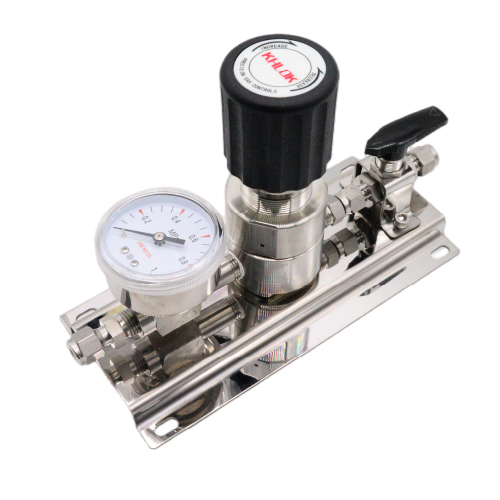
A gas valve malfunction in a residential heating system led to a dangerous leak, prompting emergency services to evacuate the home. The incident underscores the critical role of gas valves in ensuring safe and efficient operation of gas-based appliances.
**What are the common causes of gas valve failure in industrial settings?**
Gas valves can fail due to corrosion, improper installation, or exposure to extreme temperatures. These issues often stem from inadequate maintenance schedules or using substandard components.
- Corrosion is a frequent cause of valve degradation, especially in humid or chemically aggressive environments.
- Improper installation, such as incorrect torque settings or alignment issues, can lead to leaks or mechanical stress.
- High-pressure fluctuations may cause internal wear or damage to valve seals over time.
**How can regular maintenance prevent gas valve malfunctions?**
Routine inspection and cleaning are essential for identifying early signs of wear or blockage.
- Inspect valves for signs of corrosion or leaks during scheduled maintenance cycles.
- Clean internal components to avoid blockages that can affect performance.
- Replace worn-out parts before they lead to critical failures.
**Why do some gas valves fail despite meeting safety standards?**
Even compliant valves may fail due to misuse or environmental factors beyond their design specifications.
- Valves are tested under ideal conditions but may not handle real-world variables like temperature extremes or vibration.
- Overloading a valve with pressure beyond its rated capacity can cause unexpected failure.
- User error, such as incorrect operation or lack of training, often contributes to valve malfunction.
**What role does material selection play in gas valve reliability?**
The choice of materials significantly impacts a valve's ability to withstand harsh conditions.
- Stainless steel and brass are preferred for their resistance to corrosion and high temperatures.
- Plastic valves may degrade faster in high-pressure or high-temperature applications.
- Material compatibility with gases and operating conditions must be carefully evaluated during procurement.
**Can improper storage lead to gas valve damage?**
Yes, valves stored in unsuitable conditions can suffer from internal damage or contamination.
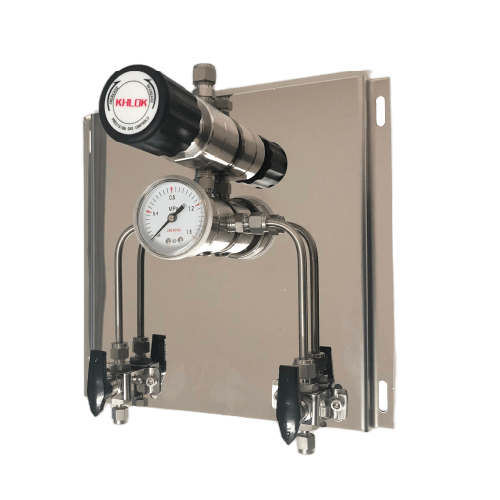
- Exposure to moisture can cause rust or corrosion in metal valves.
- Extreme temperatures during storage may affect the integrity of seals and gaskets.
- Proper packaging and controlled storage environments are necessary to preserve valve functionality.
**How do case studies help in improving gas valve design?**
Analyzing real incidents provides valuable data for refining product specifications and manufacturing processes.
- Failures from past installations guide engineers in making necessary design adjustments.
- Data from field reports inform quality control improvements across production lines.
- Case studies highlight gaps in current safety protocols that require updating.
**What should be considered when selecting a gas valve supplier?**
Evaluating supplier credibility and product documentation is crucial for long-term reliability.
- Ensure the supplier provides detailed technical specifications and compliance certificates.
- Review case studies or testimonials from other users to assess real-world performance.
- Choose suppliers with a track record of addressing failures through recalls or design updates.
**How can industry professionals avoid common pitfalls in gas valve management?**
By implementing strict operational guidelines and training programs, risks can be minimized effectively.
- Establish clear protocols for installation, operation, and maintenance of gas valves.
- Train personnel on recognizing early signs of failure and responding appropriately.
- Maintain thorough records of all maintenance activities and incidents for future reference.
For further understanding, review technical manuals from reputable manufacturers and consult industry reports on safety compliance standards.