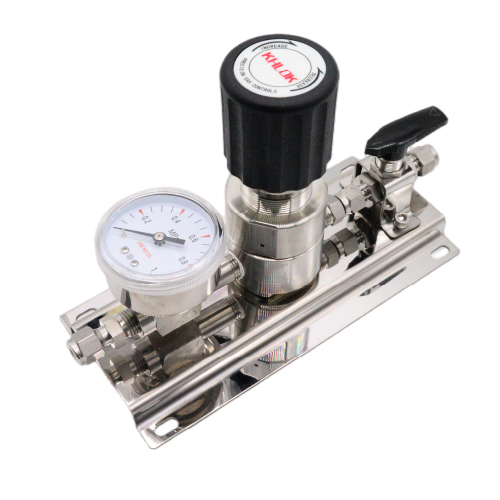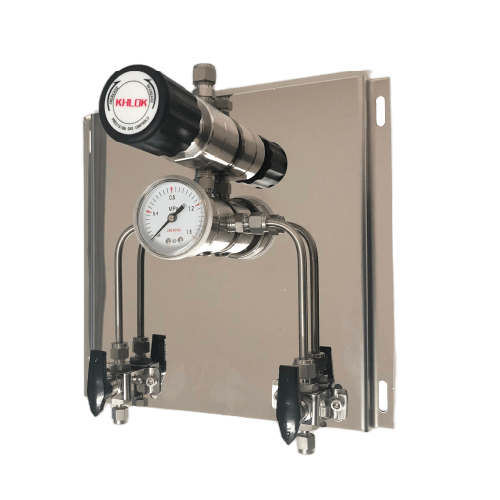
Gas valves play a critical role in controlling the flow of gases in various industrial settings. Their reliability and safety are essential to prevent accidents and ensure efficient operations. Understanding how to select, maintain, and troubleshoot gas valves is vital for engineers and operators.
**What are the key factors to consider when choosing a gas valve?**
Selecting the right gas valve involves evaluating several aspects:
- Compatibility with the specific gas type and pressure requirements
- Compliance with relevant safety standards such as API or ASME
- Material durability based on operating conditions
- Ease of installation and maintenance
- Cost-effectiveness over the valve's lifecycle
**How do case studies highlight the importance of proper valve selection?**
Real-world examples show that improper valve selection can lead to significant operational issues:
- A chemical plant experienced leaks due to using a valve not suitable for corrosive gases
- In a power generation facility, an incorrect valve size caused pressure fluctuations and system shutdowns
- These cases emphasize the need for precise technical specifications when making purchases
**What are the most common causes of gas valve failure?**
Valve failures often stem from overlooked maintenance or design flaws:
- Worn seals or gaskets leading to gas leakage
- Incorrect installation causing misalignment or stress on components
- Exposure to extreme temperatures or pressure beyond rated limits
- Corrosion from incompatible materials or environmental conditions
**Why is regular maintenance critical for gas valves?**
Maintenance ensures long-term performance and safety:
- Prevents unexpected breakdowns that could disrupt operations
- Reduces the risk of hazardous leaks or explosions
- Extends the lifespan of the valve through timely inspections and repairs
- Helps maintain compliance with regulatory requirements
**How can case studies help in predicting potential issues with gas valves?**
Analyzing past incidents provides valuable lessons:
- Historical data on valve failures can inform better design choices
- Learning from industry-specific problems aids in proactive decision-making
- Case reviews help identify patterns that may not be immediately obvious
**What role does user training play in gas valve operation?**
Proper training minimizes human error and enhances system safety:
- Operators must understand how to handle emergency situations effectively
- Training ensures correct usage and identification of warning signs early on
- It fosters a culture of safety within industrial teams
**Are there industry-specific considerations for gas valves?**
Yes, different sectors have unique needs:
- Oil and gas require valves that withstand high pressure and temperature variations
- Medical facilities prioritize valves with high precision and hygiene standards
- Food processing industries demand corrosion-resistant materials for compliance
**How can organizations improve their gas valve management practices?**
Implementing structured protocols can enhance performance:
- Establishing routine inspection schedules based on usage frequency
- Keeping detailed records of maintenance and performance metrics
- Collaborating with experienced engineers for system evaluations
For further insights, review recent reports on industrial safety practices or consult technical guidelines from recognized organizations. These resources provide additional context on how to apply lessons from case studies effectively.