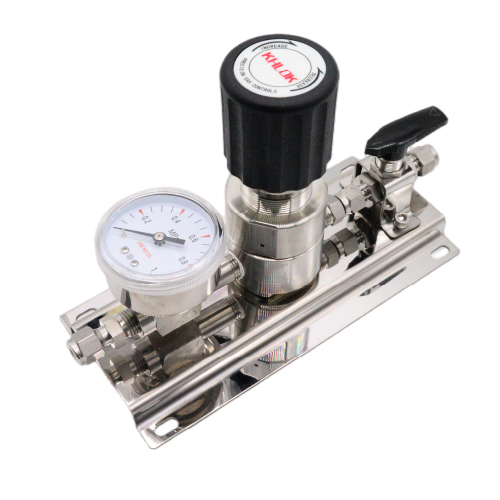
Gas valves are essential components in residential gas systems, controlling the flow of gas to various appliances. Their reliability and safety are critical to ensuring efficient operation and preventing hazards. However, many homeowners face confusion when selecting or maintaining these valves.
**What are the key functions of gas valves?**
Gas valves regulate the delivery of natural gas or propane to heating systems, stoves, and water heaters. They ensure safe operation by shutting off gas supply during emergencies or maintenance.
**How do I choose the right gas valve for my home?**
Consider the type of fuel you use, the appliance requirements, and local regulations. Look for valves with proper certification and compatibility with your system.
**What signs indicate a faulty gas valve?**
Unusual noises, inconsistent performance, or gas leaks are red flags. If the valve fails to open or close properly, it may need replacement.
**Can I install a gas valve myself?**
It's not recommended unless you have professional experience. Incorrect installation can lead to safety risks and void warranties. Always consult a licensed technician.
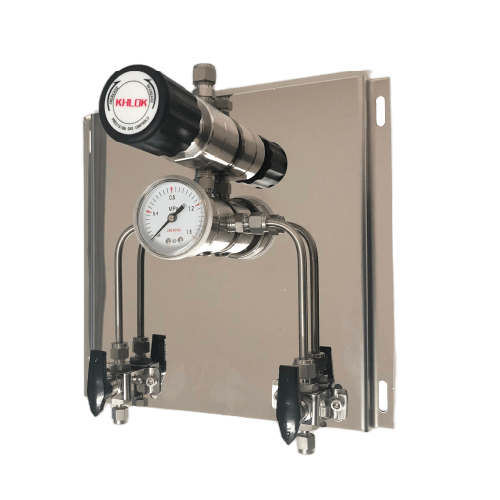
**How often should I inspect my gas valve?**
Annual inspections are ideal to check for wear, corrosion, or leaks. More frequent checks may be necessary in high-usage areas or older systems.
**What are the common types of gas valves used in homes?**
There are several types including shut-off valves, pressure relief valves, and solenoid valves. Each serves a specific purpose in the gas system.
**How can I ensure long-term reliability of my gas valve?**
Regular maintenance and timely replacement of worn parts are key. Keep the area around the valve clean and avoid over-tightening connections.
For deeper insights into residential gas systems and their components, consider reviewing technical manuals from manufacturers or consulting local utility providers for guidance on safety standards and proper installation practices.