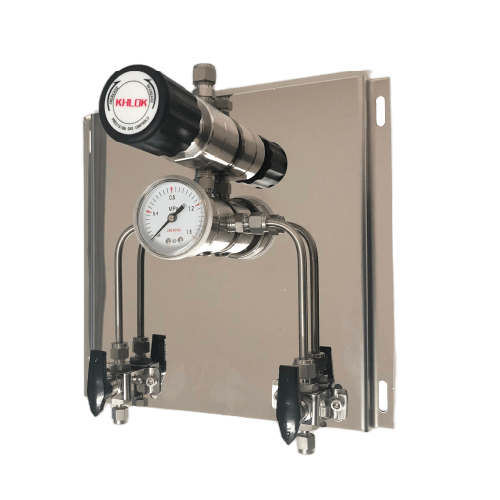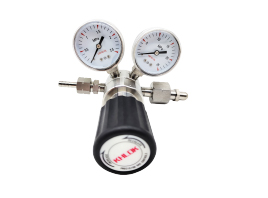
Gas valve technology has evolved significantly over the past decade, driven by the demand for safer, more efficient, and environmentally friendly systems. Modern valves integrate smart features to enhance control and monitoring capabilities.
**What are the latest innovations in gas valve design?**
Recent advancements include the integration of IoT sensors for real-time data monitoring, which allows for better predictive maintenance and system optimization. Also, new materials such as advanced alloys and ceramics are being used to improve durability and resistance to extreme conditions.
**How do smart gas valves improve system efficiency?**
Smart valves use digital communication protocols to enable remote control and automation. They reduce energy waste by adjusting flow based on demand, which lowers operational costs. Additionally, they provide detailed performance analytics for improved system management.
**What challenges do traditional gas valves face with modern applications?**
Older valves often lack the precision required for today’s complex systems. They may also be prone to wear and tear under high-pressure or fluctuating temperature conditions. Furthermore, manual calibration limits their adaptability in dynamic environments.
**Can gas valves be customized for specific industrial needs?**
Yes, manufacturers now offer modular designs that allow for customization based on application requirements. This includes variations in pressure ratings, flow rates, and environmental tolerances to suit different industries such as energy, HVAC, and automotive.
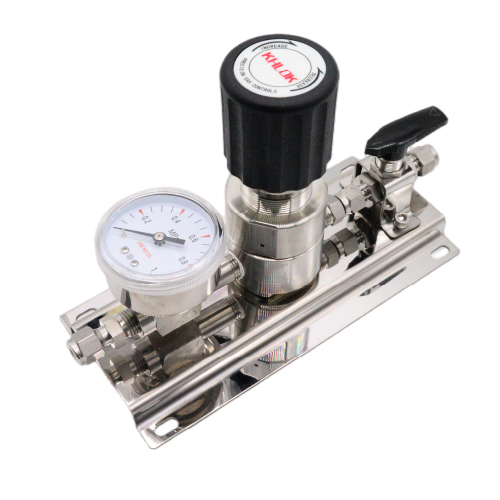
**How does 3D printing impact gas valve production?**
3D printing enables faster prototyping and more intricate designs that traditional methods may not support. It also reduces material waste and production time, making it a cost-effective solution for both small-scale and large-volume manufacturing.
**Are there new safety features in gas valve technology?**
New valves include built-in leak detection systems powered by AI algorithms to identify anomalies quickly. They also feature fail-safe mechanisms that automatically shut off the system in case of malfunctions or unauthorized access.
**What is the role of AI in gas valve optimization?**
AI helps in analyzing data from multiple sensors to predict potential failures and adjust valve operations dynamically. This leads to longer equipment life and reduced downtime in industrial processes.
For further insights into gas valve developments, consider exploring recent research on advanced materials or industry reports on automation trends in energy systems. The evolution of gas valve technology continues to play a critical role in enhancing system performance across various sectors.