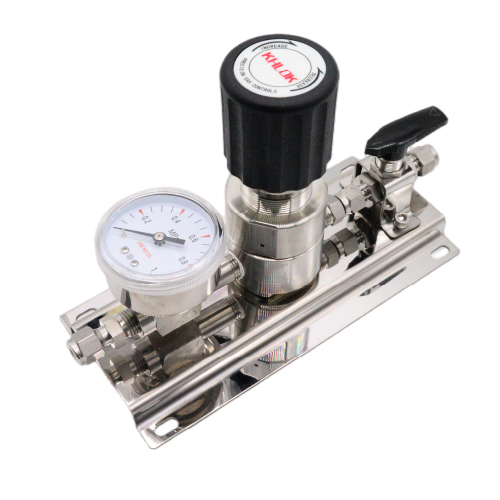
Gas valves play a critical role in controlling the flow of gases in various industries. Their design, material, and performance are essential for ensuring safety, efficiency, and compliance with international standards. As technology evolves, understanding how to select, install, and maintain these components has become increasingly important for professionals in the field.
**What are the primary types of gas valves used in industrial settings?**
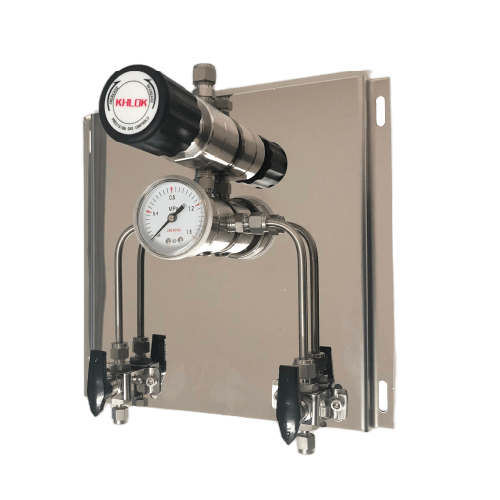
Gas valves come in several configurations designed for specific functions. These include shut-off valves, pressure-reducing valves, safety valves, and control valves. Each type serves a distinct purpose in managing gas flow under different operational conditions.
**How do gas valves contribute to system safety?**
Gas valves ensure safe operation by preventing leaks, regulating pressure, and stopping flow in emergencies. They incorporate fail-safe mechanisms to avoid dangerous situations such as overpressure or unintended gas release.
**What factors influence the choice of gas valve material?**
Material selection depends on the operating environment, temperature range, and type of gas being handled. Common materials include brass, stainless steel, and plastic, each with its own advantages for durability and resistance to corrosion.
**Can gas valves be customized for specialized applications?**
Yes, many manufacturers offer customization options to suit unique system requirements. This includes adjustments in size, pressure ratings, and sealing technologies to enhance performance in specific conditions.
**What maintenance practices are necessary for gas valve longevity?**
Regular inspections are vital to detect wear or damage. Lubrication of moving parts and checking for leaks should be done periodically. Additionally, replacing faulty components promptly prevents system failures.
**Are there industry-specific regulations for gas valve installation?**
Different sectors have varying standards for gas valve use. For example, the oil and gas industry requires strict adherence to API specifications, while medical facilities follow ISO guidelines to ensure precision and safety.
**How do smart technologies impact modern gas valve systems?**
Smart valves integrate sensors and digital controls for real-time monitoring of pressure and flow rates. These features improve system efficiency and allow remote adjustments, reducing manual oversight needs.
**What are the common challenges faced during gas valve troubleshooting?**
Valve failure can often be caused by improper installation or environmental factors like extreme temperatures or corrosion. Identifying the root cause requires detailed diagnostic tools and expertise in system design.
For further insight into gas valve systems, consider reviewing technical manuals from leading manufacturers or consulting industry reports on fluid control innovations. These resources provide deeper understanding of how modern valve technology is shaping industrial processes today.