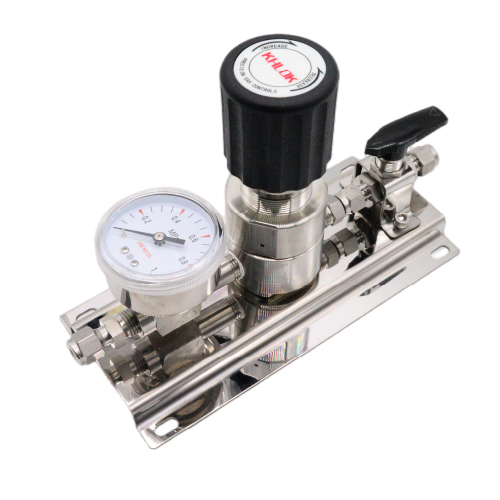
Gas valves are essential components in both residential and industrial gas systems, playing a critical role in controlling the flow of fuel. Understanding their function and selecting the right type for specific applications is vital for safety, efficiency, and long-term performance.
**What are the different types of gas valves available?**
Gas valves come in various forms, including ball valves, gate valves, globe valves, and check valves. Each type serves distinct purposes based on the system’s requirements. Ball valves are commonly used for quick shutoff, while gate valves are ideal for regulating flow in pipelines. Globe valves allow precise control over gas pressure, and check valves prevent backflow.
**How do I ensure a gas valve is safe for my system?**
Safety should be a top priority when selecting a gas valve. Verify that the valve meets current industry standards such as ASME or ISO. Check for certifications like UL or CE to confirm compliance with safety regulations. Ensure the valve is rated for the specific type of gas and operating conditions it will face.
**What factors influence the longevity of a gas valve?**
The lifespan of a gas valve depends on several factors, including material quality, environmental conditions, and maintenance routines. Valves made from durable materials like brass or stainless steel tend to last longer than those with cheaper alternatives. Frequent use or exposure to extreme temperatures can also affect performance over time.
**Can I install a gas valve myself or should I hire a professional?**
While some users may attempt DIY installation, it is generally recommended to hire a licensed professional. Incorrect installation can lead to leaks, inefficiency, or even dangerous situations. Professionals can ensure proper alignment, sealing, and compliance with local codes and regulations.
**How often should gas valves be inspected or replaced?**
Regular inspection is crucial for maintaining system integrity. Valves should be checked at least once every few years or as specified by the manufacturer. Signs such as corrosion, leaks, or diff相关科室lty in operation indicate the need for replacement or servicing.
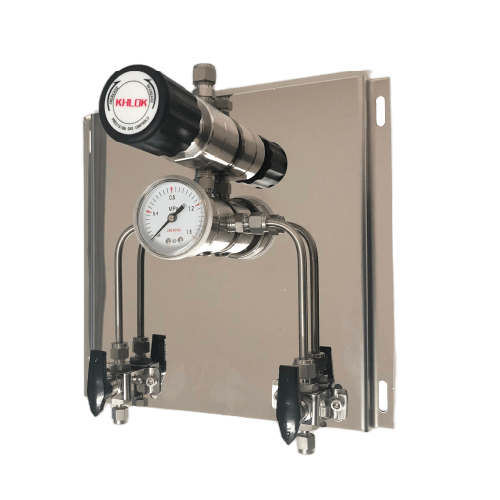
**What are the signs of a faulty gas valve?**
A faulty gas valve may show symptoms like inconsistent flow, strange noises during operation, or visible leaks around the connection points. These issues can result in reduced efficiency or potential hazards if not addressed promptly.
**Are there cost-effective alternatives to high-end gas valves?**
Yes, there are affordable options that offer good performance without compromising on safety. Look for valves from reputable brands that provide reliable features within your budget. Compare specifications and user reviews to find the best value for your needs.
**How can I extend the life of my gas valve?**
Proper maintenance significantly impacts valve longevity. Regular cleaning of components helps prevent buildup and ensures smooth operation. Applying appropriate lubricants and checking for wear during routine inspections can also prolong its service life.
For further reading on gas valve technology and maintenance practices, consider exploring technical manuals from manufacturers or consulting industry reports on energy efficiency in gas systems. These resources provide detailed guidance tailored to different applications and environments.