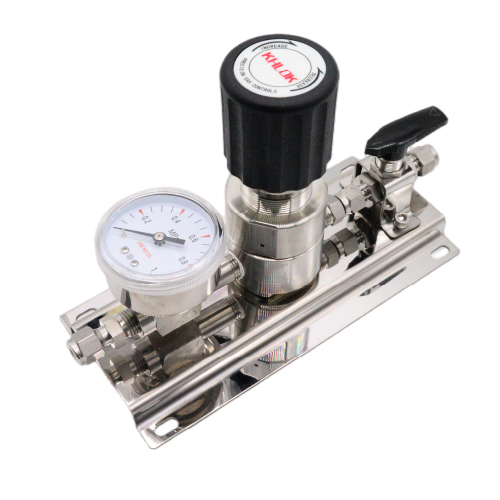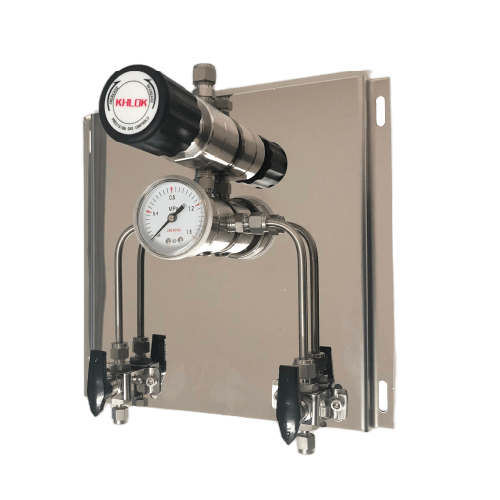
Gas valves are essential components in many industrial and residential systems, regulating the flow of gases to ensure safety and functionality. Their design and application can significantly impact system reliability, making it crucial to understand how they operate under different conditions.
**What are the primary safety risks associated with gas valves?**
Gas valves can pose risks if they fail to maintain proper pressure or if they malfunction due to wear and tear. Common issues include leaks, which may lead to hazardous conditions, and improper shut-off mechanisms that could allow dangerous gas flow during emergencies.
**How do gas valves differ in their design for various applications?**
Gas valves are engineered with specific materials and configurations to suit different environments. For example, residential gas valves often prioritize user-friendly operation, while industrial valves must withstand extreme temperatures and pressures. Each type has unique sealing methods and durability features.
**What factors influence the lifespan of a gas valve?**
The longevity of a gas valve depends on several factors such as the frequency of use, exposure to corrosive elements, and the quality of installation. Regular maintenance and adherence to manufacturer guidelines can extend its operational life significantly.
**Why is it important to choose the right type of gas valve for a system?**
Selecting an appropriate gas valve ensures compatibility with system requirements, enhances safety by preventing leaks or failures, and improves efficiency in gas distribution. Mismatched valves can cause inefficiencies or even system shutdowns.
**How can users identify a faulty gas valve?**
Users should look for signs such as unusual noises, inconsistent pressure readings, or visible leaks around the valve. These indicators suggest potential malfunctions that require immediate attention to prevent accidents or damage.
**What are the key considerations during installation?**
Installation must be performed by qualified professionals to ensure proper alignment, sealing, and connection. Attention should also be given to environmental factors like temperature fluctuations and humidity levels that may affect performance.
**Are there any industry trends affecting gas valve technology?**
Recent advancements focus on improving safety through smart sensors and automated shut-off systems. These innovations aim to reduce human error and enhance response times in critical situations, making modern valves more reliable than ever before.
For further insights into gas valve technology, consider reviewing technical specifications from reputable manufacturers or consulting industry reports on safety standards. Always prioritize professional installation and regular inspections to maintain optimal performance.