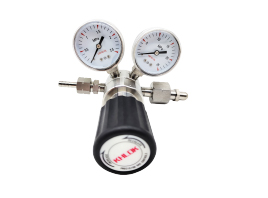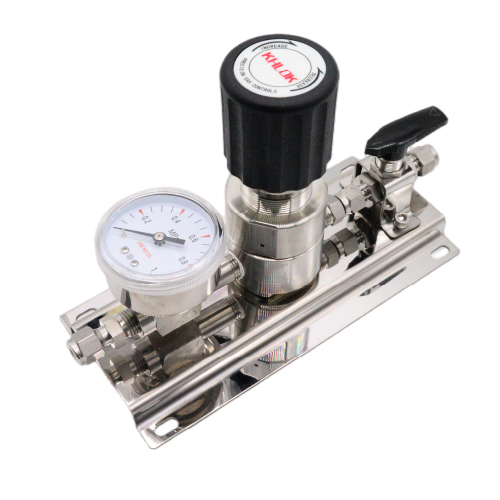
Gas valves are essential components in residential and industrial gas systems. Their role in regulating flow and ensuring safety cannot be overstated. Poorly chosen valves may lead to leaks, inefficiencies, or even hazardous situations. Users must prioritize compatibility with their specific applications while balancing cost and durability.
H2: Material Matters for Long-Term Reliability
The material composition of gas valves significantly impacts their lifespan and performance. Brass valves offer corrosion resistance but may lack durability in high-pressure environments. Stainless steel options are ideal for harsh conditions but often come at a higher price. PVC valves are budget-friendly but unsuitable for high-temperature or high-pressure systems. Selecting the right material ensures longevity and reduces repair costs over time.
H3: Size Compatibility Prevents System Failures
Matching valve size to pipe dimensions is critical for seamless operation. Mismatched sizes can cause pressure drops or leaks, compromising both safety and efficiency. Users should measure their pipelines accurately and consult technical specifications to avoid these issues. Proper sizing also simplifies future maintenance by eliminating unnecessary adjustments.
H3: Pressure Ratings Ensure Safe Functionality
Gas valve pressure ratings determine their ability to handle system demands safely. Under-rated valves risk failure under stress, while over-rated ones may be unnecessarily expensive. Applications like cooking appliances require lower pressure tolerances compared to industrial heating systems. Understanding these requirements prevents costly replacements and ensures optimal system performance.
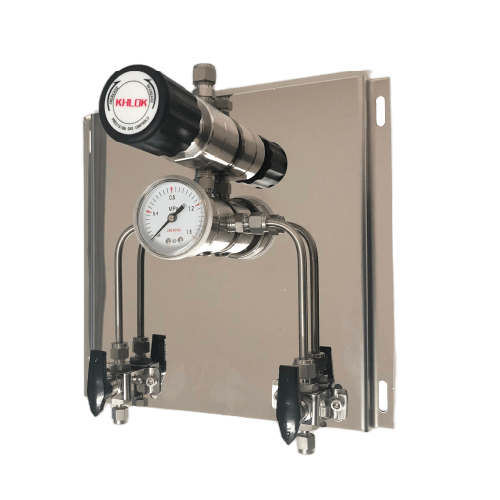
H2: Maintenance Practices Extend Valve Lifespan
Regular inspection and cleaning are vital for maintaining gas valve efficiency. Sediment buildup or wear can impair functionality, leading to potential hazards. Users should establish a maintenance schedule based on usage frequency and environmental factors. Simple tasks like checking seals or replacing worn parts can prevent major issues before they arise.
CTA: Prioritize quality and compatibility when selecting gas valves for your setup. Consult professionals for accurate assessments and ensure routine upkeep to avoid disruptions. Your choice today shapes the safety and efficiency of your gas system tomorrow.