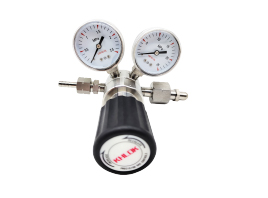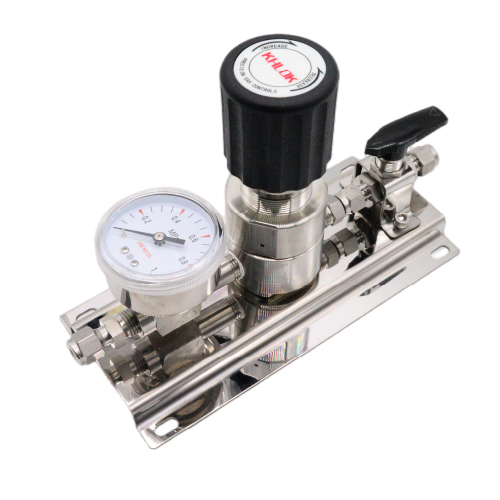
Gas valves remain a critical component in energy systems, with their design and functionality directly impacting operational efficiency. As industrial demands evolve, understanding the nuances between valve types becomes essential. This evaluation explores how manufacturers address challenges like pressure regulation and leak prevention through diverse technologies.
# Pressure Regulation Capabilities
Distinguishing between gas valve options requires examining their pressure control mechanisms. Ball valves excel in rapid shutoff due to their quarter-turn operation, making them ideal for emergency scenarios. In contrast, gate valves offer smoother flow control but require multiple turns for adjustment. Butterfly valves balance cost and performance, often used in HVAC systems where moderate flow management is sufficient. Each design has trade-offs between precision, durability, and maintenance frequency.
# Material Compatibility and Durability
Industrial environments demand valves that withstand extreme conditions. Stainless steel valves resist corrosion in chemical processing plants, while bronze variants suit low-pressure gas distribution networks. PVC alternatives provide cost-effective solutions for non-hazardous applications but lack resilience in high-temperature settings. The evaluation reveals how material choices influence lifespan and safety compliance across sectors.
# Cost-Benefit Analysis
Pricing varies significantly based on valve type and specifications. Ball valves typically command higher upfront costs but reduce long-term expenses through minimal maintenance needs. Gate valves offer lower initial prices but may require frequent servicing in dynamic systems. Butterfly valves provide a middle ground, appealing to budget-conscious projects without compromising on basic functionality.
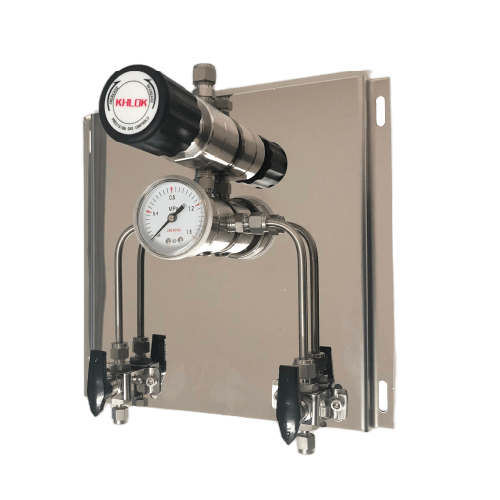
# Energy Efficiency Metrics
Modern gas valves incorporate features to optimize energy use. Ceramic-seated models minimize friction losses in pipelines, while smart valves with IoT integration enable real-time monitoring. The analysis shows how these innovations affect operational costs and environmental impact, part相关科室larly in sectors prioritizing sustainability goals.
# Market Trends and User Preferences
Increasing demand for automated solutions is reshaping valve selection criteria. Manufacturers are emphasizing modularity and compatibility with digital systems to meet evolving needs. This shift reflects growing priorities toward system integration and predictive maintenance capabilities across industries.
CTA: For industries seeking reliable gas valve solutions, understanding these comparative insights can streamline decision-making. Contact our team to explore tailored options that align with your operational requirements and long-term goals.