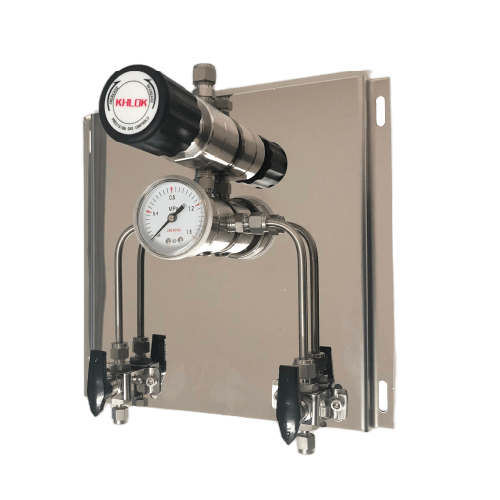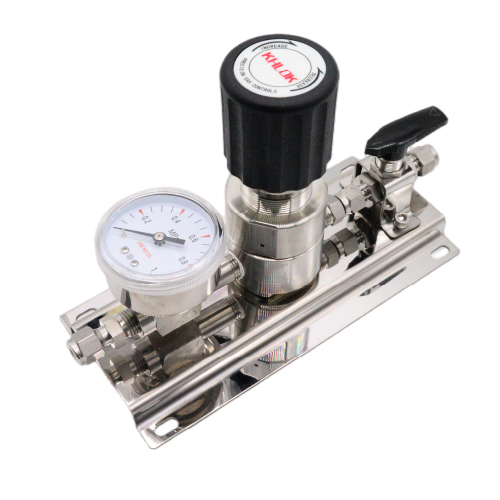
Gas valves remain a cornerstone of industrial infrastructure, ensuring precise control of fluid flow in diverse applications. As global industries prioritize efficiency and safety, the demand for advanced gas valve solutions has surged. This analysis examines the technical evolution of gas valves, emphasizing their role in modern systems and the challenges manufacturers face in meeting stringent safety protocols.
H2: Technological Evolution in Gas Valve Design
Recent innovations in gas valve engineering have centered on improving durability and responsiveness. The integration of smart sensors allows real-time monitoring of pressure and flow rates, reducing human error. Additionally, advancements in corrosion-resistant materials like stainless steel and polymer composites have extended operational lifespans. These changes address common pain points such as maintenance costs and system failures in high-pressure environments.
H3: Compliance with Safety Standards
Regulatory frameworks for gas valve safety have become increasingly complex, requiring manufacturers to adapt to evolving standards. Certifications like ISO 9001 and API 6D now mandate rigorous testing procedures, including leak detection and pressure tolerance assessments. Non-compliance risks financial penalties and reputational damage, making it essential for companies to invest in quality assurance systems tailored to regional requirements.
H2: Market Dynamics and Regional Demand Shifts
The gas valves market is experiencing a fragmentation trend as industries seek specialized solutions. While traditional sectors like oil refining maintain steady demand, emerging fields such as renewable energy and medical devices are driving growth. Regional disparities persist, with Asia-Pacific regions prioritizing cost-effective models while Europe emphasizes sustainability-driven designs.
H3: Customization vs. Standardization Trade-offs
Balancing customization with standardization poses a significant challenge for valve producers. Tailored designs meet niche market needs but increase production complexity. Conversely, standardized valves offer scalability but may lack adaptability to unique operational conditions. This dilemma underscores the importance of modular manufacturing approaches that allow flexibility without compromising efficiency.
H2: Future-Proofing Industrial Systems with Gas Valves
As automation expands across sectors, gas valves must evolve to support smart infrastructure demands. Predictive maintenance technologies integrated into valve systems minimize downtime, while energy-efficient designs align with global decarbonization goals. Understanding these trends enables stakeholders to make informed decisions about adoption strategies and long-term investments.
CTA: To stay ahead in the gas valves industry, consider consulting industry experts for tailored solutions that align with your operational needs and compliance goals. Engage with specialized suppliers to access cutting-edge technologies and competitive pricing options.