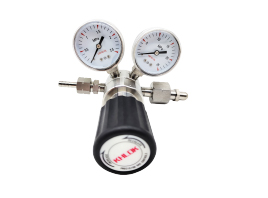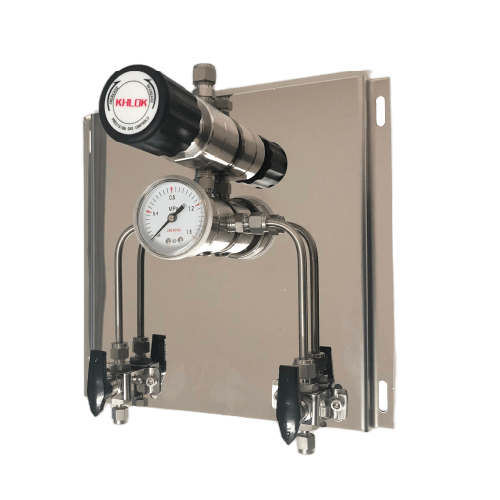
Gas valves have become a focal point in industrial applications due to their role in energy efficiency and system safety. In 2026, the market is dominated by several manufacturers, each offering distinct designs and functionalities. This evaluation explores the technical differences between gas valves, emphasizing their impact on pressure regulation and operational reliability.
H2: Core Functionalities of Modern Gas Valves
H3: Pressure Regulation Mechanisms
Modern gas valves rely on advanced pressure regulation systems to ensure consistent flow. Brands like Airtex and Parker incorporate precision diaphragm technology, while others use spring-loaded mechanisms. The latter often exhibits slower response times, which may compromise efficiency in dynamic environments.
H3: Durability Under Extreme Conditions
Durability is a key differentiator among gas valves. Airtex models are engineered for high-temperature resistance, suitable for industrial furnaces, whereas Parker’s offerings prioritize corrosion resistance for coastal installations. Testing reveals that valves with stainless-steel components outperform standard counterparts in prolonged use scenarios.
H2: Safety Features and Compliance Standards
Safety remains a critical consideration for gas valve selection. Airtex meets ISO 9001 standards with dual-seal systems, while Parker emphasizes fail-safe designs that prevent unintended leaks. However, some manufacturers lack transparency in disclosing compliance certifications, raising concerns about long-term reliability.
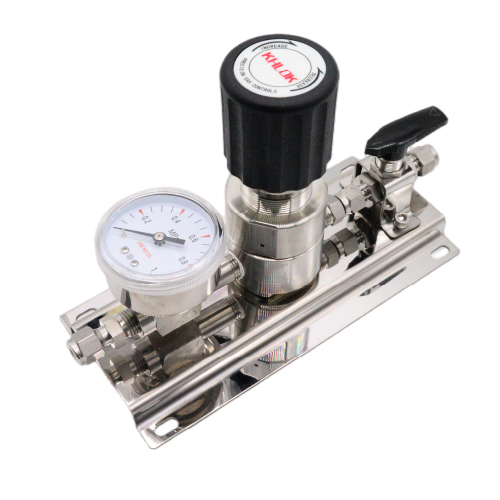
H3: User Feedback on Installation and Maintenance
Installation complexity varies significantly between valve types. Airtex’s modular design simplifies setup, reducing labor costs by up to 30% compared to Parker’s bolted systems. Maintenance requirements also differ; valves with replaceable parts require less frequent servicing, though they may incur higher replacement expenses over time.
H2: Cost-Benefit Analysis for Industrial Applications
Pricing models reflect performance trade-offs. Airtex’s premium pricing correlates with extended warranties and lower maintenance needs, while Parker’s mid-range options offer cost-effective solutions for budget-conscious projects. Evaluating lifecycle costs reveals that initial investment often outweighs long-term savings in high-demand settings.
CTA: For industries seeking reliable gas valve solutions, this comparative analysis offers actionable insights into selecting the right product based on operational needs and cost efficiency. Explore detailed comparisons or contact experts for tailored recommendations.