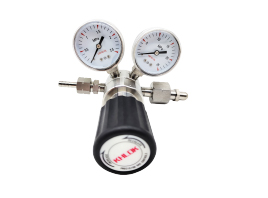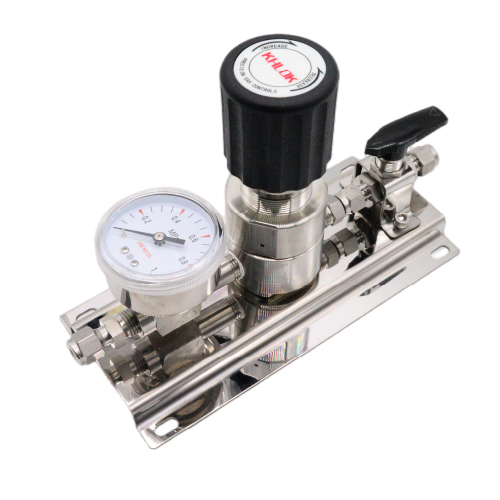
Gas valves remain a cornerstone of flow control systems across industrial sectors. Their design evolution reflects growing demands for precision, durability, and adaptability in diverse environments. Engineers emphasize the need for standardized testing protocols to ensure compliance with modern operational requirements.
H2: Precision Engineering in Gas Valve Design
Modern gas valves integrate advanced materials and micro-processing technologies to enhance sealing efficiency and reduce leakage risks. These innovations address common industry challenges such as pressure fluctuations and corrosive media exposure. Manufacturers now prioritize modular components that simplify maintenance while maintaining high performance standards.
H3: Application-Specific Performance Metrics
Industrial applications dictate unique performance criteria for gas valves. For example, energy sector requirements focus on thermal stability, whereas chemical processing prioritizes resistance to hazardous substances. Standardized benchmarks are crucial for evaluating valve reliability under extreme conditions.
H3: Supply Chain Optimization Strategies
Global supply chain dynamics influence gas valve availability and cost. Strategic partnerships between producers and distributors ensure timely delivery of specialized valve types. Inventory management systems are increasingly adopting predictive analytics to meet fluctuating demand in critical industries.
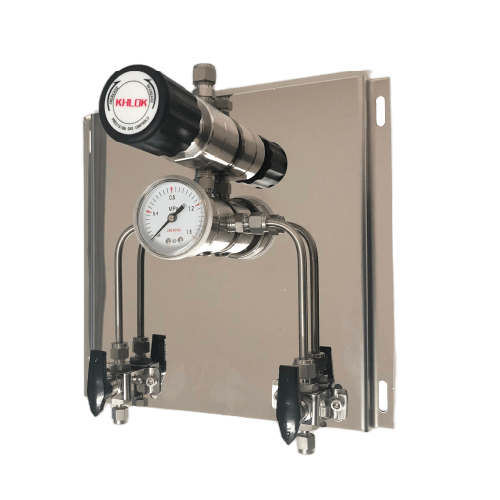
H2: Emerging Technologies and Industry Adaptation
Smart valve systems equipped with IoT sensors are transforming traditional gas control methods. Real-time data monitoring improves safety margins but requires integration with existing infrastructure. Industry leaders stress the importance of cross-disciplinary collaboration to accelerate technology adoption.
For businesses seeking to optimize their gas valve systems, consulting with industry experts is essential. Understanding technical specifications and market demands ensures informed decision-making in this rapidly evolving field.