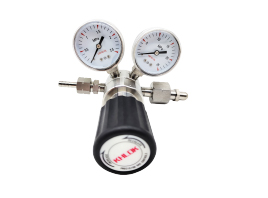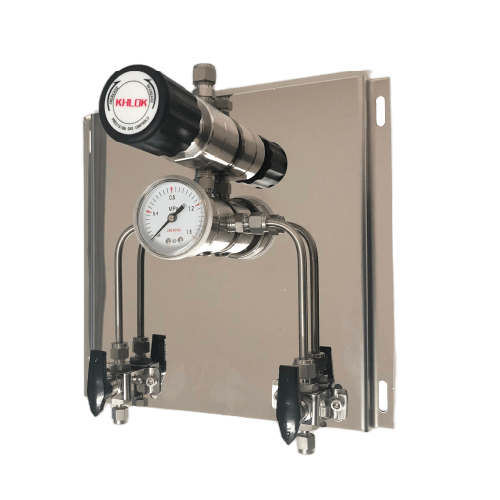
Gas valves remain a critical component in industrial systems, influencing operational safety and energy efficiency. As technology evolves, manufacturers prioritize material advancements and design optimization to meet diverse application needs. This analysis compares gas valve solutions from multiple providers, focusing on their compliance with modern industry standards and real-world performance metrics.
Performance Variability Among Gas Valve Manufacturers
Modern gas valves exhibit significant differences in flow control accuracy and response time. Brands like Aalborg and Danfoss emphasize precision engineering for industrial use, while residential models from Honeywell prioritize user-friendly interfaces. Technical specifications reveal that high-end valves often incorporate smart sensors to reduce leakage risks, though installation complexity varies widely across product lines.
Durability and Maintenance Costs: Key Considerations for Long-Term Use
Valve longevity depends on material quality and environmental resistance. Stainless steel variants from Smartherm demonstrate superior corrosion resistance compared to brass alternatives, though they carry a 25% higher price tag. Maintenance requirements also differ—some systems require annual inspections, while others feature self-diagnostic capabilities that minimize downtime. These factors directly impact long-term operational expenses for businesses.
Price vs. Value: Evaluating Cost-Effectiveness in 2026
Market pricing for gas valves spans a wide range, with budget options often lacking advanced safety features. Mid-tier solutions from companies like Sperian balance affordability with essential certifications, whereas premium models from specialized firms offer customizable configurations. Users must weigh initial costs against potential savings from reduced maintenance needs or improved system efficiency.
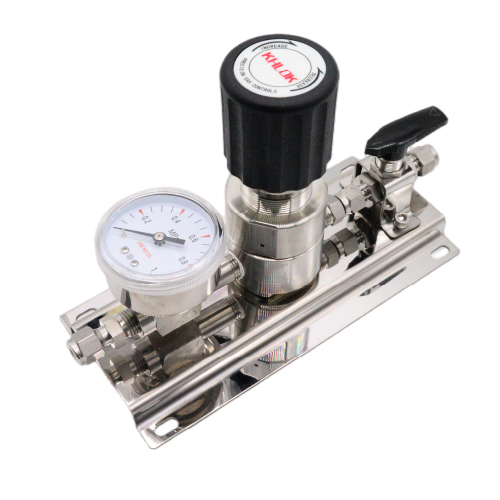
Design Innovations Shaping Industry Standards
Recent developments include modular valve systems that simplify retrofitting in existing infrastructure. Some manufacturers integrate IoT connectivity for real-time monitoring, aligning with evolving safety regulations. These innovations address common challenges such as space constraints and compatibility issues but require careful evaluation to ensure they meet specific application requirements.
Investing in the right gas valve solution requires understanding both technical capabilities and practical implications. By comparing key metrics across brands, users can make informed decisions that align with their operational goals. For detailed comparisons or technical support, contact our team to access the latest industry benchmarks and application-specific recommendations.