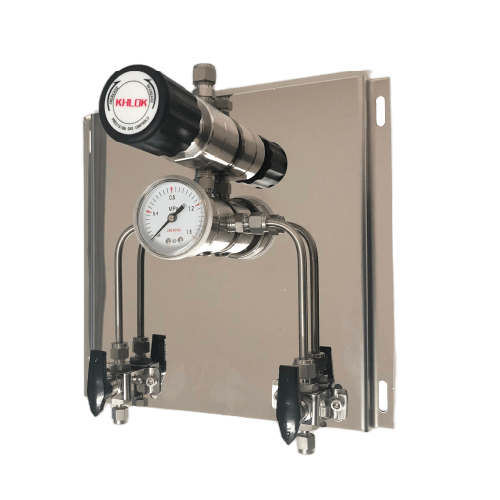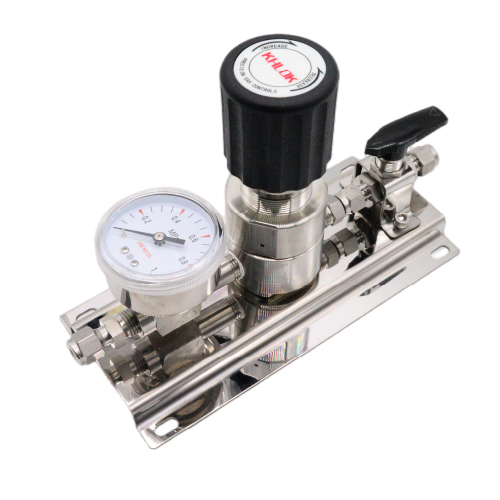
Gas valves play a critical role in controlling gas flow across industries. In 2026, advancements in materials and design have reshaped market options, prompting a closer look at how different technologies meet varying needs. This analysis compares features like durability, precision, and adaptability to guide informed decision-making.
H2: Performance Metrics Across Valve Types
Industrial gas valves prioritize high-pressure resistance and flow control accuracy. Brands like Honeywell and Emerson emphasize rapid response times and minimal leakage, making them suitable for manufacturing settings. Residential valves, such as those from Danfoss or Siemens, prioritize user-friendly interfaces and energy efficiency, often integrating smart sensors for real-time monitoring.
H3: Safety Innovations in Valve Design
Modern gas valves incorporate fail-safe mechanisms to prevent leaks. Some models use dual sealing systems that reduce risks in high-risk environments. Others feature corrosion-resistant materials like stainless steel or titanium, extending lifespan in harsh conditions. Safety ratings vary by certification standards, influencing buyer confidence.
H2: Cost Efficiency and Maintenance Requirements
Pricing trends show industrial valves remaining higher due to specialized components. However, long-term savings come from low maintenance needs. For example, valves with self-cleaning nozzles or modular construction reduce service frequency. Residential options often balance affordability with warranty coverage, impacting total cost of ownership.
H3: Application-Specific Use Cases
Residential systems benefit from compact designs that fit limited spaces. Industrial setups require heavy-duty models capable of handling extreme temperatures. Some manufacturers now offer hybrid solutions blending residential convenience with industrial robustness, catering to niche markets like renewable energy projects.
H2: Making Informed Choices for Your Needs
Selecting the right gas valve depends on specific requirements. Prioritize precision for industrial use or ease of installation for home applications. Review technical specifications carefully to match performance levels with operational demands. Contact an expert to explore tailored solutions based on your project’s unique challenges.