Gas valves are critical components in systems managing fuel delivery and pressure regulation. Their performance varies significantly based on application, with industrial, residential, and commercial sectors requiring distinct specifications. Understanding these differences is essential for selecting the most suitable type.
H2: Industrial Gas Valves - Precision and Durability
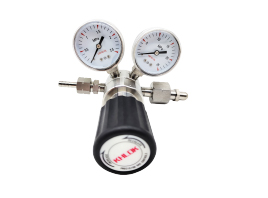
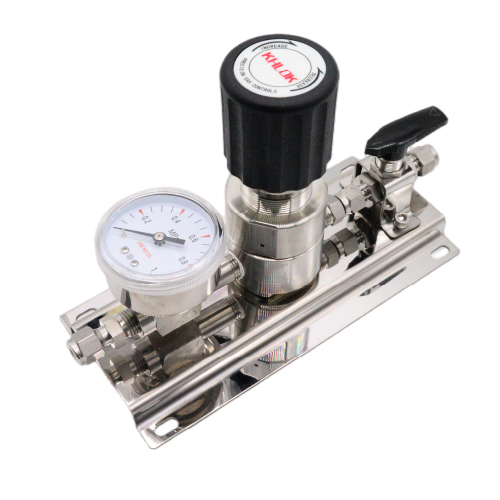
Industrial gas valves are engineered for high-pressure environments and heavy-duty operations. These valves prioritize durability and precision, often featuring robust materials like stainless steel or brass to withstand harsh conditions. Their design emphasizes reliability in continuous use, making them ideal for manufacturing plants or power generation facilities. However, their complexity can lead to higher maintenance costs compared to simpler alternatives.
H3: Flow Control Mechanisms
The flow control mechanisms in industrial valves differ from residential counterparts. While industrial models rely on multi-stage regulators and fail-safe systems, residential valves use basic manual or automatic shut-off designs. This distinction affects efficiency and safety in critical applications such as gas turbines or chemical processing.
H2: Residential Gas Valves - User-Focused Design
Residential gas valves prioritize ease of installation and user-friendly interfaces. They are commonly found in home heating systems and stoves, with features like intuitive dials and low-pressure tolerances. Despite their simplicity, these valves must meet strict safety standards to prevent leaks or malfunctions in domestic settings.
H3: Cost-Benefit Analysis
Residential valve options often balance affordability with basic safety requirements. While cheaper models may lack advanced diagnostics, mid-range valves offer improved leak detection capabilities without compromising on essential functions. Users should prioritize compatibility with existing infrastructure when selecting these types.
H2: Commercial Gas Valves - Scalability and Efficiency
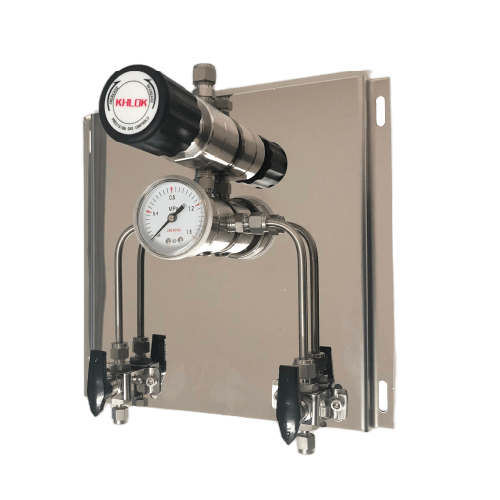
Commercial applications demand valves that scale efficiently with system demands. These valves frequently incorporate smart technology for real-time monitoring and remote adjustments. Their modular design allows seamless integration into larger networks but requires professional installation to ensure optimal performance in high-traffic environments like hotels or hospitals.
H3: Energy Efficiency Metrics
Commercial gas valves are evaluated based on energy efficiency metrics that reduce operational costs over time. Features like adjustable flow rates and adaptive pressure responses make them suitable for large-scale systems where resource management is crucial. However, their initial investment tends to be higher than residential alternatives.
CTA: When selecting gas valves, consider your specific use case and prioritize features aligned with operational needs. For deeper insights into valve specifications or to request a customized comparison guide, reach out to industry experts for tailored recommendations.