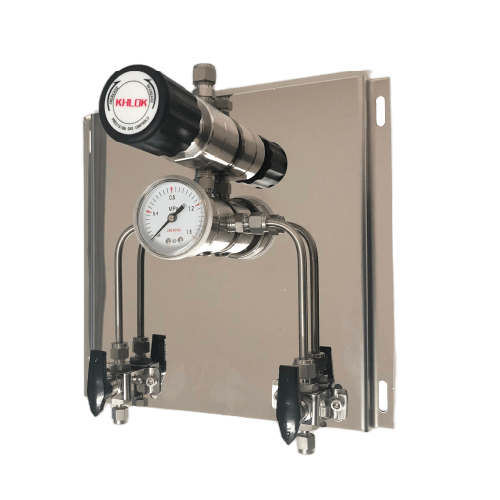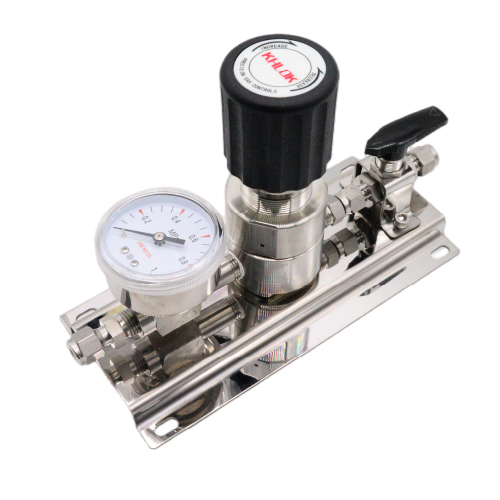
Gas valves are critical components in systems managing gas flow for heating, cooking, or industrial applications. Their reliability directly impacts safety and performance, yet many users struggle with selecting suitable options due to unclear specifications or inconsistent quality standards. Understanding core functions like pressure regulation and shut-off mechanisms helps address common concerns about compatibility and longevity in real-world scenarios.
H2: Key Valve Types for Different Applications
Valve types vary based on use cases—globe valves excel in precise flow control for pipelines, while ball valves prioritize quick shut-off capabilities in residential setups. Gate valves are ideal for isolating sections of large networks but require careful handling during installation. Industrial environments often rely on check valves to prevent backflow in complex machinery systems. Each type has unique advantages that align with practical demands such as ease of maintenance or pressure tolerance levels.
H3: Routine Maintenance to Prevent Leaks
Regular inspections of gas valve seals and connections are vital for detecting wear or corrosion early. Cleaning internal components with mild detergents removes debris that could hinder operation over time. Replacing worn gaskets every few years ensures optimal sealing performance in high-pressure scenarios where even minor leaks pose significant risks. Simple steps like lubricating moving parts reduce friction-related failures without requiring specialized tools or expertise.
H3: Installation Best Practices for Longevity
Proper alignment during installation prevents stress on valve stems that might lead to premature malfunctions. Ensuring compatibility with existing piping systems avoids costly rework or inefficiencies in gas distribution networks. Using torque wrenches instead of manual tightening maintains consistent pressure resistance across connections—a detail often overlooked but crucial for long-term reliability in both residential and commercial settings.
H2: Safety Standards Beyond Technical Specs
Beyond technical parameters like flow rate or pressure ratings, compliance with local safety regulations is non-negotiable for gas valve selection. Certifications such as ASME or ISO ensure adherence to quality benchmarks that minimize risks during operation or emergencies like power outages requiring manual overrides. Users should prioritize models designed for specific environments—such as corrosion-resistant options for coastal regions—to match practical exposure conditions effectively.
CTA: Prioritize functionality over complexity when evaluating gas valve options—consult professionals for tailored recommendations that align with your system’s needs while avoiding unnecessary complications during setup or upkeep.