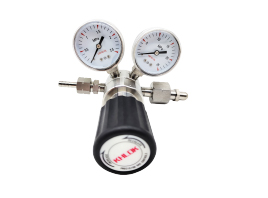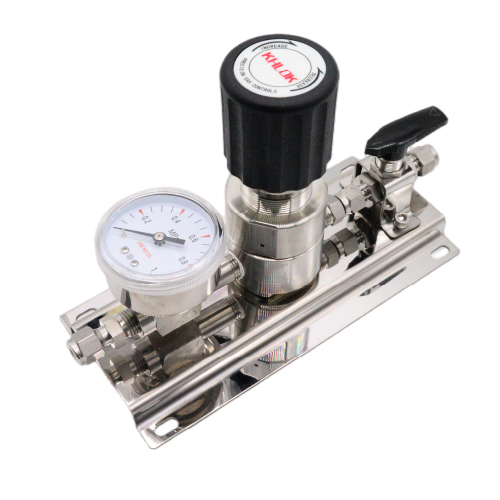
Gas valves have become a cornerstone of energy distribution systems, addressing complex demands for efficiency and safety. As industrial processes grow more automated and residential needs evolve toward sustainable living, the demand for specialized gas valve designs has surged. This shift highlights the necessity for deeper technical understanding to optimize performance while mitigating risks associated with leaks or failures.
H2: Technological Evolution in Gas Valve Design
Recent innovations in gas valve engineering emphasize precision and adaptability. Manufacturers are integrating smart sensors to enable real-time monitoring of pressure fluctuations, reducing human error in maintenance protocols. These advancements align with global trends toward predictive maintenance, where data-driven decisions improve operational reliability without compromising safety standards.
H3: Material Science Breakthroughs
The development of corrosion-resistant alloys and composite materials has redefined gas valve longevity. These materials withstand extreme temperatures and chemical exposure, making them ideal for both industrial pipelines and residential heating systems. Such improvements address long-standing concerns about valve degradation, which can lead to costly downtime and safety hazards.
H2: Application-Specific Requirements
Industrial applications demand high-pressure valves capable of handling volatile environments, while residential systems prioritize compact designs with user-friendly interfaces. This divergence requires tailored solutions that balance technical specifications with cost-effectiveness. Understanding these distinctions helps stakeholders select the right valve type for their infrastructure needs.
H3: Safety Protocols and Regulatory Compliance
Stringent safety regulations have driven the adoption of fail-safe mechanisms in gas valves. Features like automatic shut-off systems and pressure relief devices are now standard, reflecting heightened awareness of potential risks. Compliance with these standards ensures seamless integration into modern energy grids while fostering consumer trust in system reliability.
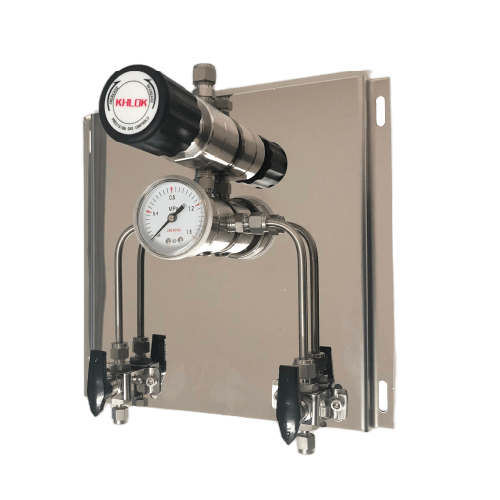
H2: Cost-Benefit Analysis for Stakeholders
While advanced gas valves offer long-term savings through reduced maintenance costs, initial investment remains a barrier for some operators. Evaluating lifecycle costs versus upfront expenses reveals that durable designs often justify higher prices by minimizing replacement frequency. This perspective is crucial for decision-makers aiming to balance budget constraints with technical performance.
H3: Emerging Market Trends
The rise of renewable energy sources has created new opportunities for gas valve customization. Hybrid systems requiring precise flow control are pushing manufacturers to develop modular solutions that adapt to varying fuel types. This trend underscores the dynamic nature of the industry and its responsiveness to environmental priorities.
CTA: For businesses seeking reliable gas valve solutions or homeowners looking to upgrade their systems, consulting industry experts ensures informed decisions aligned with current standards and future-proof technology.