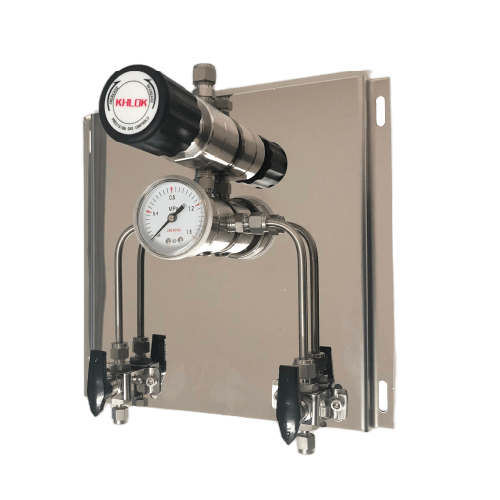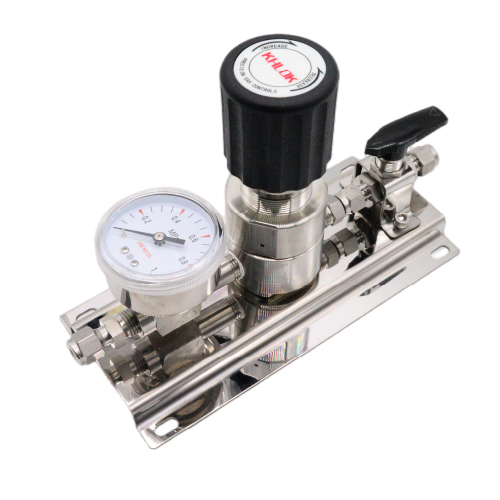
Gas valves remain critical components in industrial pipelines, balancing safety, efficiency, and compliance with stringent operational standards. As energy systems modernize, the demand for precision-engineered gas valves has surged, driven by the need to address leakage risks and enhance system reliability. Industry professionals emphasize that valve design must align with evolving infrastructure requirements while maintaining cost-effective maintenance protocols.
H2: Pressure Regulation and Material Science Breakthroughs
Recent developments in valve technology highlight a shift toward high-performance materials like stainless steel alloys and advanced polymers. These innovations improve corrosion resistance and durability in extreme environments, directly tackling a major industry pain point: premature component failure due to chemical exposure. Engineers stress that optimized pressure regulation mechanisms are now prioritized over traditional models, reducing energy waste by up to 15% in high-volume applications.
H3: Smart Integration Redefining Operational Standards
The integration of IoT-enabled gas valves is transforming how industrial systems monitor and control flow dynamics. Real-time data analytics now allow for predictive maintenance scheduling, minimizing unplanned downtime that costs sectors millions annually. However, this transition presents challenges in retrofitting legacy systems, requiring specialized solutions that maintain compatibility without compromising safety certifications.
H2: Market Demand Shifts Across Key Sectors
Industrial applications for gas valves are diversifying beyond energy to include pharmaceuticals and food processing. These industries demand valves with enhanced hygiene standards and precise flow control capabilities. A growing concern is the lack of standardized testing protocols across regions, creating inconsistencies in product performance assessments. Manufacturers are now focusing on modular designs to meet variable regulatory requirements efficiently.
H3: Cost-Benefit Analysis of Valve Upgrades
While advanced gas valve systems offer long-term savings through reduced maintenance cycles, the initial investment often deters small-scale operators. Industry experts recommend phased implementation strategies that align with budget constraints without sacrificing safety benchmarks. The rise in natural gas usage has also intensified pressure to develop valves with higher flow capacities while maintaining compliance with emission reduction targets.
content:
The gas valves sector is at a pivotal crossroads where technological evolution meets operational complexity. Professionals note that 70% of failures stem from improper installation rather than material defects, underscoring the need for standardized training programs. As global infrastructure expands, manufacturers must balance innovation with affordability to ensure widespread adoption of next-generation valve solutions.
For businesses seeking reliable gas valve systems, understanding technical specifications is essential. Contact industry leaders today to explore tailored solutions that address your specific operational needs while adhering to evolving safety standards.