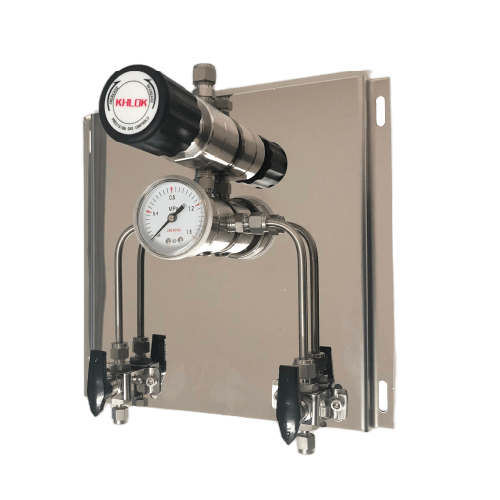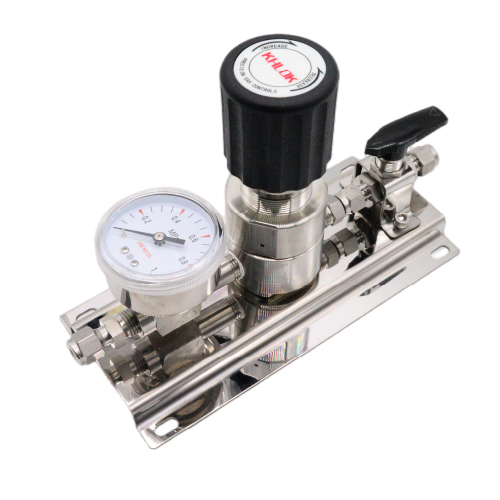
Gas valves are essential components in both residential and industrial systems, ensuring safe and efficient control of gas flow. Their design directly impacts system reliability, making it critical to understand their technical specifications before installation. Users often face challenges in selecting the right type, as options vary widely in functionality and application.
H2: Home Applications Require Precision and Safety
For household use, gas valves must balance affordability with safety standards. Residential systems prioritize leak-proof seals and easy maintenance, as improper installation can lead to hazards. Common types include ball valves and gate valves, each with distinct advantages for different setups. Proper sizing based on pipeline pressure is a frequent concern among DIY enthusiasts and homeowners.
H3: Industrial Needs Demand Advanced Performance Metrics
Industrial environments rely on gas valves engineered for high durability and precision. These valves must withstand extreme temperatures and pressures while minimizing energy loss. Operators often evaluate materials like stainless steel or bronze for corrosion resistance, alongside flow rates and response times critical for automation systems. Regular calibration is a recurring issue in maintaining operational efficiency.
H2: Long-Term Cost Savings Through Smart Selection
Investing in quality gas valves reduces long-term expenses by preventing frequent replacements. A practical approach involves comparing lifecycle costs with upfront prices, as cheaper alternatives may incur higher maintenance fees. Users also focus on compatibility with existing infrastructure to avoid retrofitting challenges. Energy-efficient models are gaining attention for their role in reducing utility bills.
H3: Maintenance Practices Extend Valve Lifespan
Routine maintenance is vital to preserving gas valve functionality. Cleaning internal components and inspecting seals can prevent malfunctions that disrupt daily operations or industrial processes. Users often seek guidance on replacing worn parts or checking pressure ratings without overcomplicating the process.
H2: Balancing Innovation With User-Centric Design
Modern gas valves incorporate smart technologies for remote monitoring, but usability remains a priority. Design elements like intuitive controls and modular structures address user needs without sacrificing technical performance. Practical testing under real-world conditions helps identify potential issues before large-scale deployment.
CTA: To ensure optimal performance, consider consulting technical specifications or reaching out to experts for tailored recommendations. Your choice of gas valves can significantly impact safety, efficiency, and cost-effectiveness in any setting.