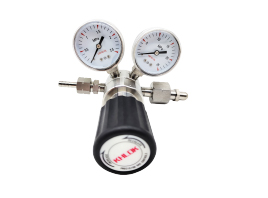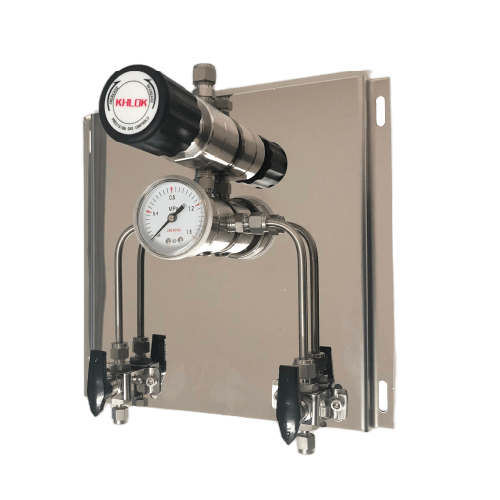
Gas valves have undergone significant transformation through technological innovation, driven by the need for safer and more reliable systems in industrial applications. Modern engineering solutions now prioritize precision in flow control and durability under extreme conditions, addressing longstanding issues such as leakage risks and mechanical failure. These advancements are reshaping the industry by aligning with stricter safety protocols and sustainability goals.
H2: Smart Integration Redefining Operational Efficiency
H3: IoT-Driven Real-Time Monitoring Systems
Recent breakthroughs in smart valve technology integrate Internet of Things (IoT) capabilities to enable real-time monitoring of pressure levels and flow rates. This innovation allows for immediate adjustments to prevent overpressure scenarios or unexpected shutdowns, reducing human error and improving system responsiveness. Such features are critical for industries reliant on continuous gas distribution, such as energy and manufacturing.
H2: Material Science Breakthroughs for Enhanced Longevity
H3: Corrosion-Resistant Alloys and Nanotechnology Applications
Technological innovation has led to the development of advanced materials like corrosion-resistant alloys and nanotechnology-coated components, significantly extending the lifespan of gas valves. These materials withstand harsh environments better than traditional options, minimizing maintenance costs and downtime for users. The shift toward durable yet lightweight solutions reflects a broader industry trend toward efficiency without compromising safety.
H2: Adaptive Safety Protocols for Dynamic Environments
H3: AI-Powered Predictive Maintenance Systems
Modern gas valves now incorporate AI-based predictive maintenance tools that analyze data patterns to anticipate failures before they occur. This proactive approach reduces the likelihood of accidents caused by unexpected malfunctions while ensuring compliance with global safety standards. Engineers are leveraging machine learning algorithms to optimize valve performance in fluctuating conditions, such as high-pressure or volatile chemical environments.
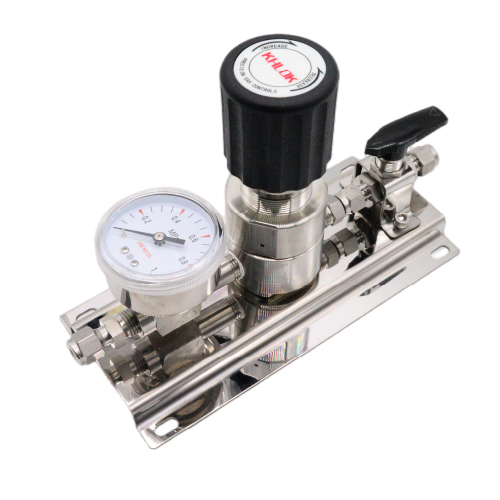
H2: Balancing Innovation With Cost-Effectiveness
H3: Streamlined Manufacturing Techniques
While technological innovation improves functionality, it also introduces challenges related to production costs. New manufacturing methods like 3D printing and automated assembly lines are helping manufacturers reduce expenses without sacrificing quality. These techniques enable customization for specific applications while maintaining scalability for large-scale operations.
H2: Future Directions for Industry Leaders
H3: Collaborative Research for Next-Gen Solutions
The evolution of gas valve technology hinges on ongoing collaboration between researchers and manufacturers to address gaps in current systems. Emerging areas like biodegradable materials for environmentally sensitive applications or hybrid valve designs for multi-fuel compatibility are gaining traction as key priorities. Staying ahead requires embracing open innovation frameworks that prioritize user needs over traditional benchmarks.
CTA: Stay informed about how technological innovation is driving progress in gas valve systems by exploring further resources or reaching out to industry experts for tailored insights.