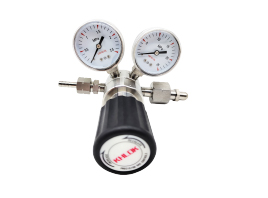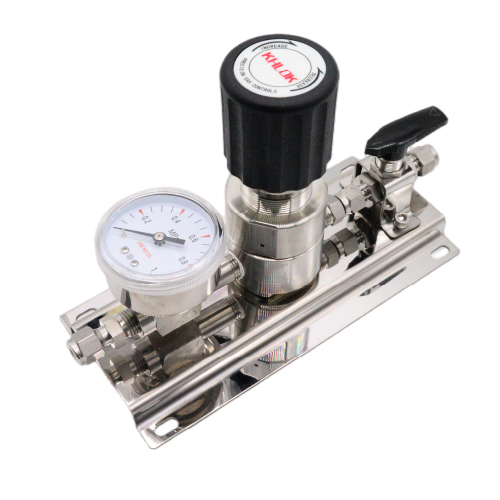
Gas valves have evolved significantly with the integration of advanced materials and digital technologies. In recent years, manufacturers have prioritized precision engineering to improve durability and reduce maintenance costs. These innovations not only enhance operational efficiency but also address critical safety concerns in gas distribution systems.
H2: Smart Valve Systems Redefine Industry Standards
The adoption of smart valve systems represents a major leap in gas valve technology. These systems use IoT-enabled sensors to monitor pressure, flow, and temperature in real time, allowing for immediate adjustments and predictive maintenance. This shift reduces human error and ensures optimal performance across various applications, from residential heating to industrial gas supply chains.
H3: Material Science Enhances Performance and Longevity
Modern gas valves leverage advanced materials such as corrosion-resistant alloys and composite polymers to extend their lifespan and improve reliability. These materials are designed to withstand extreme conditions, ensuring consistent performance even in harsh environments. The result is a more sustainable solution that minimizes waste and energy consumption over time.
H2: Digital Integration Boosts Operational Safety
Digital integration has become a cornerstone of contemporary gas valve design. By incorporating real-time data analytics and automated control mechanisms, valve systems can detect anomalies and prevent potential leaks or failures. This level of intelligence is part相关科室larly crucial in high-risk environments where traditional valves may fall short.
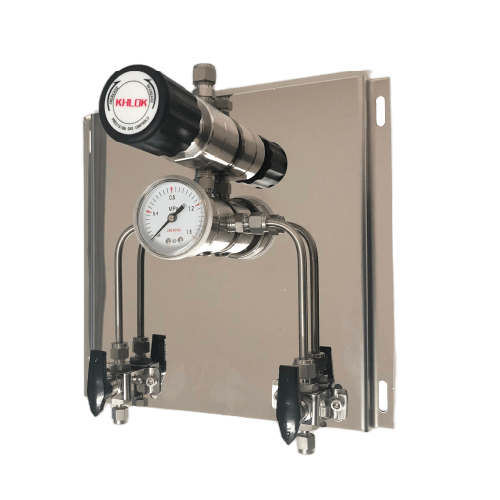
H3: Energy Efficiency Gains Through Adaptive Design
Technological advancements have also focused on energy efficiency within gas valve systems. Adaptive designs that respond to fluctuating pressure levels or changing environmental factors help reduce energy loss during operation. These improvements are essential for industries aiming to meet environmental regulations while maintaining cost-effectiveness and performance standards.
In 2026, the gas valve industry is witnessing a transformation driven by innovation. As technology continues to evolve, stakeholders must stay informed about these changes to make strategic decisions. For those looking to upgrade their systems, exploring new solutions that incorporate smart technologies and advanced materials can lead to long-term benefits.