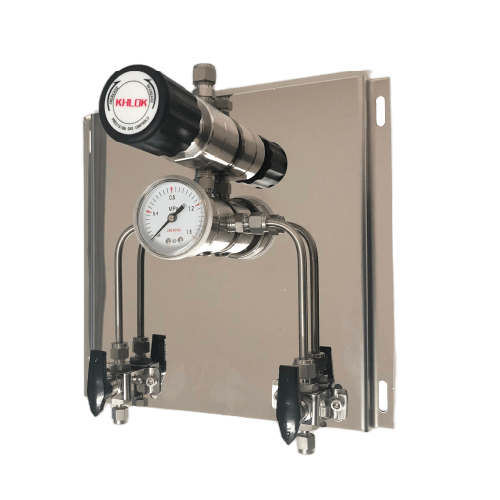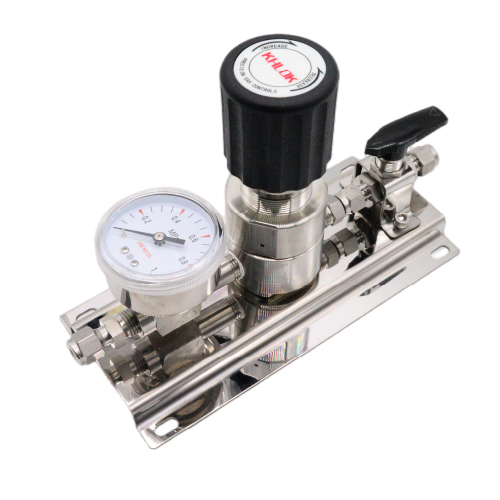
Recent updates to global safety and environmental regulations have prompted a reevaluation of gas valve standards across major markets. These changes aim to enhance energy efficiency and reduce emissions, affecting both production and distribution practices. As a result, companies are adjusting their strategies to align with updated guidelines, which has led to increased costs and operational complexity.
Industry leaders such as Honeywell and Siemens have announced plans to invest in research and development focused on sustainable valve technologies. These efforts reflect a broader trend toward meeting international climate goals while maintaining reliability in gas delivery systems. However, smaller manufacturers are struggling to keep pace with these advancements due to limited resources.
The shift in regulations has also raised concerns among end-users, including utilities and industrial clients, about potential disruptions in supply chains. Some companies have reported delays in obtaining certifications for new products, creating uncertainty in procurement processes. Experts suggest that clearer communication from regulators could ease these challenges.
In response to the tightening rules, several firms have adopted modular design approaches for gas valves, allowing for easier upgrades and maintenance. This strategy helps them comply with evolving standards without requiring complete system overhauls. The trend underscores the growing importance of flexibility in an industry facing rapid technological changes.
Supply chain dynamics are being reshaped as demand for certified gas valves rises. Distributors are emphasizing transparency in sourcing and testing procedures to meet customer expectations. While this shift promotes safer and more eco-friendly solutions, it also highlights the need for stronger collaboration between stakeholders to ensure smooth industry transitions.