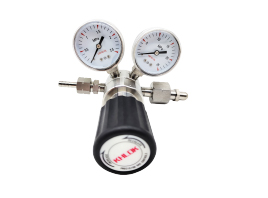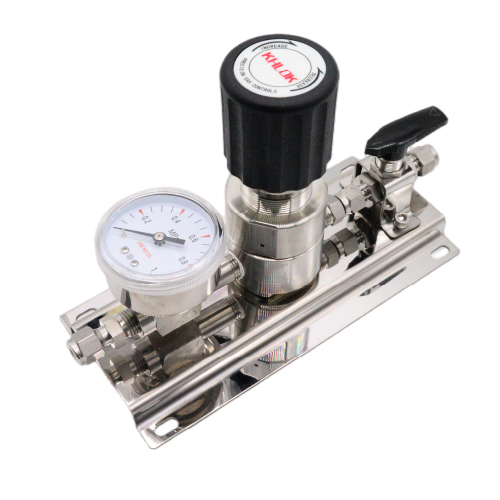
Recent breakthroughs in gas valve design have introduced advanced materials and digital integration, enhancing both performance and reliability. Companies are now deploying valves made from high-performance polymers and alloys that resist corrosion and extreme temperatures, addressing long-standing durability concerns. These materials are part of a broader push toward safer, more efficient gas distribution systems.
Smart valve technology is gaining traction, with integrated sensors that provide real-time data on pressure and flow. This innovation allows for predictive maintenance and reduces the risk of failures that could lead to leaks or explosions. According to the International Gas Union, such smart systems have the potential to cut maintenance costs by up to 30% while improving overall system safety.
The shift toward digital integration also includes remote control capabilities, enabling operators to manage gas flow from centralized platforms. This development is part相关科室larly significant for industrial applications where manual adjustments are time-consuming and hazardous. Experts note that this trend aligns with global efforts to modernize infrastructure through automation and IoT connectivity.
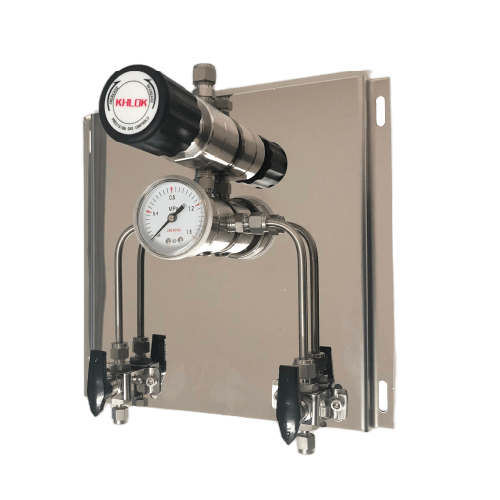
Regulatory bodies have responded to these innovations by updating safety guidelines to accommodate new technologies. The new standards emphasize the importance of data transparency and system interoperability, ensuring that manufacturers meet evolving requirements. Compliance with these guidelines is becoming a critical factor for market acceptance and long-term viability.
Industry analysts predict that the adoption of innovative gas valves will continue to accelerate in the coming years, driven by demand for safer and more sustainable energy solutions. As traditional methods face scrutiny, companies investing in R&D are positioning themselves as leaders in a competitive yet rapidly evolving sector.