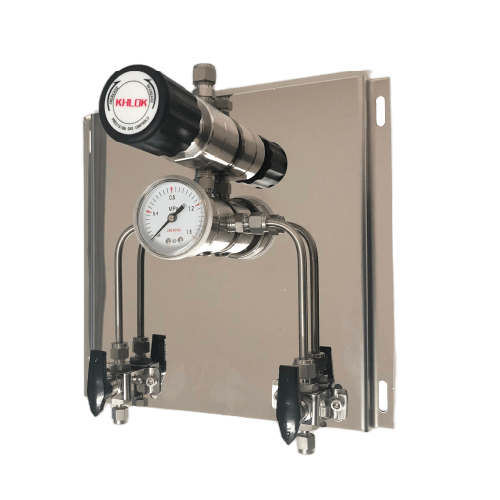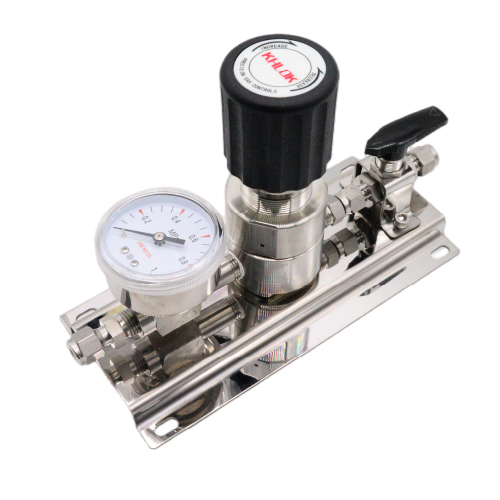
A recent case study from a chemical manufacturing plant in Germany revealed how improper gas valve selection led to a critical safety failure. The facility had installed valves that did not meet the required pressure ratings, resulting in an uncontrolled gas leak during routine maintenance. The incident caused significant damage and highlighted the need for rigorous evaluation of gas valve specifications before installation.
H2: Importance of Compliance in Gas Valve Installation
The case emphasized the importance of adhering to industry standards when selecting gas valves. Engineers at the plant failed to consider the specific operating conditions, including temperature fluctuations and corrosive environments. As a result, the valves deteriorated faster than expected, increasing the risk of system failure. This underscores the necessity of compliance with safety regulations to avoid costly and dangerous incidents.
H3: Maintenance Practices and Their Impact on Safety
Another key insight from the case study was the role of maintenance in preserving gas valve integrity. The plant had not established a regular inspection schedule, which allowed minor defects to go unnoticed until they caused a major malfunction. Proper maintenance can significantly extend the lifespan of gas valves and reduce the likelihood of failures that compromise safety.
H2: Cost Implications of Valve Failures
The incident also had substantial financial consequences for the company. Repairing the damage and implementing new safety protocols cost millions, while the potential loss from a catastrophic failure could have been even higher. This example illustrates how investing in high-quality gas valves and maintenance programs can prevent both financial and human losses in industrial settings.
H3: How to Prevent Similar Issues in Future Projects
To avoid similar problems, industrial facilities should prioritize thorough risk assessments and consult with experienced professionals when selecting gas valves. Understanding the system’s operational demands and environmental factors is essential for choosing the right type of valve. Additionally, regular training for maintenance staff can help ensure long-term reliability and safety.
The findings from this case study offer valuable lessons for industries relying on gas valve systems. By focusing on compliance, maintenance, and informed decision-making, organizations can enhance their safety protocols and minimize risks. For those seeking to improve their industrial safety infrastructure, a detailed analysis of real-world scenarios can provide actionable insights that lead to more effective solutions.