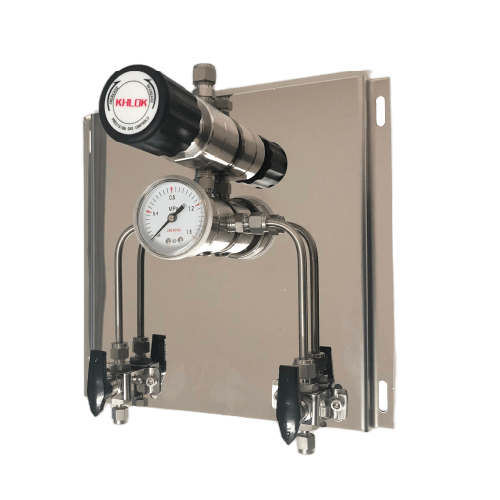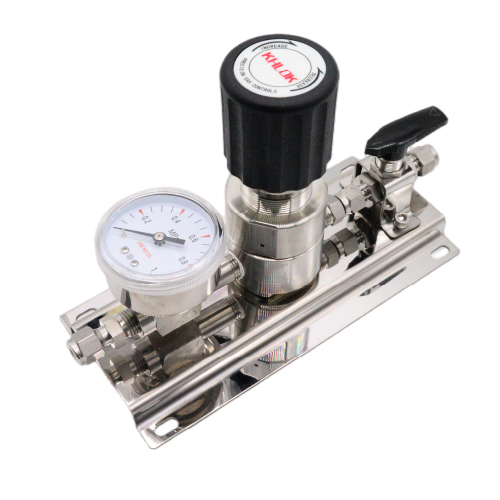
Gas valves play a vital role in controlling the flow of gases within industrial systems, ensuring both safety and efficiency. Their design and functionality directly impact the reliability of processes in sectors such as energy, manufacturing, and chemical processing. Professionals must evaluate factors like material compatibility, pressure ratings, and flow characteristics to select the most suitable options for their applications.
H2: Material Selection for Gas Valve Durability
The choice of materials in gas valve construction significantly influences their performance and longevity. Common materials include stainless steel, brass, and various alloys, each offering different levels of corrosion resistance and temperature tolerance. In high-pressure or corrosive environments, selecting the right material is critical to prevent failures that could lead to leaks or system downtime.
H3: Precision in Pressure Regulation
Effective pressure regulation is essential for gas valve operation. Valves must maintain consistent flow rates under varying conditions to support stable industrial processes. Precision engineering ensures that gas valves can handle fluctuations without compromising safety or efficiency, making them indispensable in complex systems where control accuracy is paramount.
H2: Maintenance Protocols for Long-Term Reliability
Regular maintenance is a cornerstone of gas valve performance. Over time, wear and tear can affect sealing integrity and operational accuracy. Establishing maintenance schedules and using diagnostic tools can help identify potential issues before they lead to costly disruptions. Proper upkeep not only extends valve life but also enhances system reliability across different industries.
H3: Integration with Smart Systems for Enhanced Control
Modern gas valves are increasingly being integrated with smart systems to improve control and monitoring capabilities. These advancements allow for real-time data collection, predictive maintenance, and automated adjustments based on operational needs. Such integration supports more efficient resource management while reducing human error in critical applications.
H2: Addressing Common Challenges in Gas Valve Installation
Despite their importance, gas valves can pose challenges during installation if not properly configured or selected. Misalignment, incorrect sizing, or inadequate sealing can lead to inefficiencies or safety risks. Understanding the specific requirements of each system helps professionals avoid these pitfalls and ensure optimal valve performance from the outset.
CTA: For professionals seeking reliable gas valve solutions that align with safety and efficiency standards, consulting industry experts can provide tailored insights to meet specific operational needs.