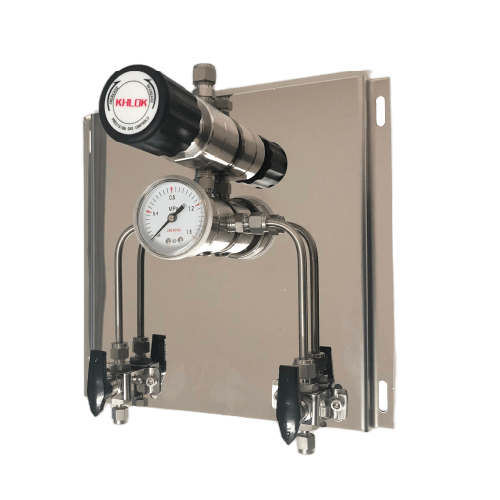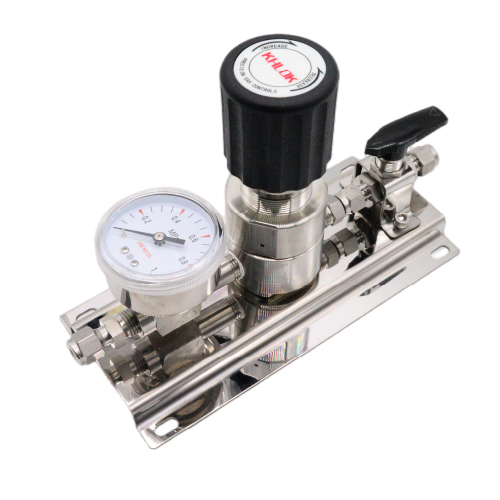
Gas valves are essential components in a wide range of industrial applications, playing a critical role in controlling the flow of gases within complex systems. Their design and functionality directly impact system efficiency, safety, and longevity. As industries evolve, so do the requirements for gas valves, making it crucial to understand their specifications and performance characteristics.
H2: Material Selection and Environmental Impact
The choice of materials in gas valve construction significantly influences their durability and resistance to corrosion. Engineers must consider factors such as operating temperature, pressure levels, and chemical exposure when selecting valve components. Stainless steel and other high-grade alloys are commonly used for their reliability in harsh environments, while composite materials are gaining popularity for their lightweight properties and cost-effectiveness.
H3: Precision in Pressure Regulation
Accurate pressure regulation is a key requirement in gas valve systems. Fluctuations in pressure can lead to inefficiencies or even hazardous conditions if not properly managed. Modern gas valves incorporate advanced sealing technologies and smart sensors to enhance precision and reduce the risk of leaks or failures. These innovations ensure compliance with industry standards while improving overall operational safety.
H2: Maintenance and Longevity Considerations
Proper maintenance is vital for extending the lifespan of gas valves and ensuring consistent performance. Regular inspections, lubrication, and replacement of worn parts can prevent unexpected malfunctions. Industry professionals often emphasize the importance of following manufacturer guidelines to avoid premature wear or damage caused by incorrect usage or environmental stressors.
H3: Integration with Smart Systems
The integration of gas valves with smart monitoring systems is transforming how these components are utilized in industrial settings. Real-time data collection allows for predictive maintenance and early detection of potential issues, reducing downtime and increasing system reliability. This shift toward digital integration reflects broader trends in automation and Industry 4.0 technologies.
content:
For businesses seeking reliable gas valve solutions, it is essential to prioritize both performance and safety standards. Working with certified suppliers who offer tailored products based on specific application needs can make a significant difference in operational outcomes. Invest in high-quality valves that meet current industry benchmarks to ensure long-term efficiency and compliance with regulatory requirements.