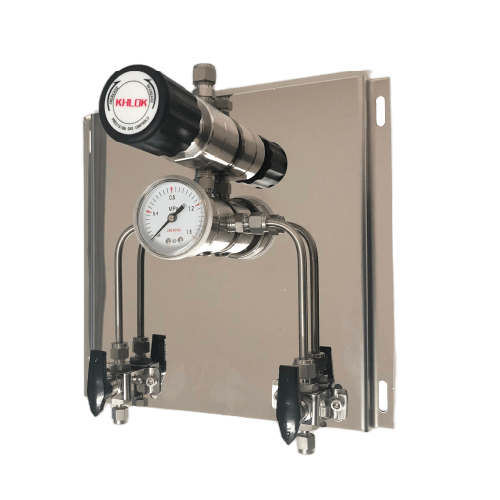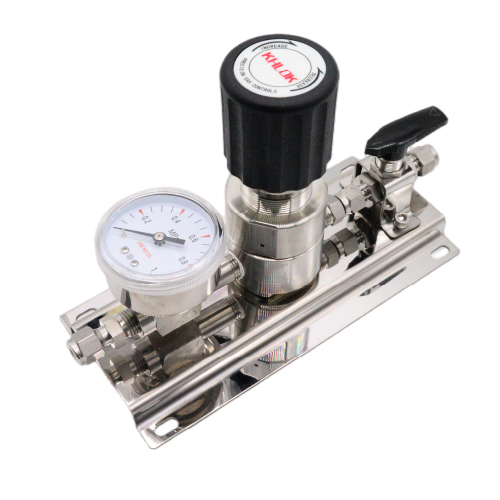
Gas valves have undergone significant transformation in recent years, driven by the need for enhanced efficiency, safety, and precision in industrial systems. As industries adopt more advanced automation and digital monitoring technologies, the role of gas valves has expanded beyond simple flow control to include smart integration and real-time performance tracking. These changes reflect a broader shift in how modern facilities manage gas distribution and regulation.
H2: Technological Advancements in Valve Design
The evolution of valve technology has been marked by the integration of materials science, digital sensors, and smart connectivity. Gas valves now feature improved corrosion resistance, reduced maintenance requirements, and enhanced durability under extreme conditions. Innovations such as electromagnetic actuators and compact modular designs have made these components more adaptable to a wide range of applications. This progress ensures better performance and longer service life in critical operations.
H3: Challenges in Meeting Industry Demands
Despite their advancements, gas valves face challenges in adapting to increasingly complex industrial environments. Factors such as fluctuating gas pressures, temperature variations, and environmental regulations require manufacturers to continuously refine their designs. Additionally, the need for energy efficiency and sustainability has pushed the development of valves with lower emissions and improved sealing capabilities. These demands underscore the importance of innovation in meeting modern operational standards.
H2: The Role of Customization in Valve Solutions
Industrial applications often require specialized gas valve solutions tailored to specific processes. Customization allows for precise control over flow rates, pressure levels, and system compatibility. This flexibility is crucial in sectors like chemical processing, oil refining, and power generation where even minor inefficiencies can lead to major operational issues. As a result, manufacturers are focusing on modular designs that offer greater adaptability to diverse needs.
H3: Future Directions for Gas Valve Innovation
Looking ahead, the future of gas valve technology lies in smarter integration with IoT systems and predictive maintenance capabilities. These features enable remote monitoring and early detection of potential failures, improving overall system reliability. Additionally, there is a growing emphasis on reducing environmental impact through the use of eco-friendly materials and energy-saving mechanisms. Such developments align with global trends toward sustainable industrial practices.
The demand for high-performance gas valves continues to rise as industries prioritize safety and efficiency. Understanding the latest innovations and technical requirements can help engineers make informed decisions when selecting valve solutions for their operations. Stay updated on the latest trends to ensure your systems are equipped for future challenges and opportunities.