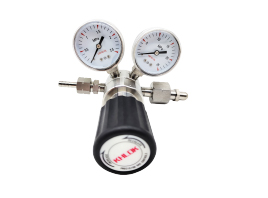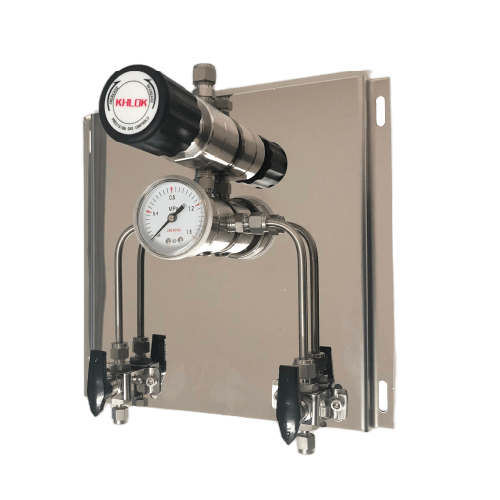
Gas valves are critical components in residential gas systems, ensuring safe and efficient fuel distribution. Their proper selection and installation can prevent leaks, reduce energy waste, and enhance overall system reliability. However, many homeowners overlook the importance of matching valve specifications to their appliances, leading to potential hazards. Understanding how to evaluate gas valves based on material durability, flow control precision, and compatibility with existing infrastructure is essential for long-term safety.
H2: Key Factors in Gas Valve Selection
When choosing gas valves, prioritize materials like brass or stainless steel for corrosion resistance and longevity. Evaluate flow ratings to ensure they meet the demands of your appliances, such as boilers or stoves. Pay attention to valve types—ball valves offer quick shutoff, while gate valves provide precise regulation. Consulting manufacturer guidelines or a professional plumber can help avoid mismatches that may compromise system integrity.
H3: Installation Best Practices
Proper installation requires adherence to local plumbing codes and careful alignment with gas piping specifications. Use torque wrenches to achieve the correct tightness, avoiding over-tightening that could damage seals. Inspect for leaks using soapy water before finalizing connections. For complex setups, consider hiring licensed technicians to ensure compliance with safety standards and prevent costly repairs down the line.
H2: Common Pitfalls and Solutions
Many users face issues like improper sizing or inadequate sealing during installation. A mismatched valve may cause pressure fluctuations or failure under high-demand scenarios. To mitigate risks, always verify the valve’s compatibility with your gas meter and appliances. Regular maintenance, including cleaning debris from valve ports and checking for wear, can extend lifespan and maintain efficiency.
H3: Long-Term Maintenance Tips
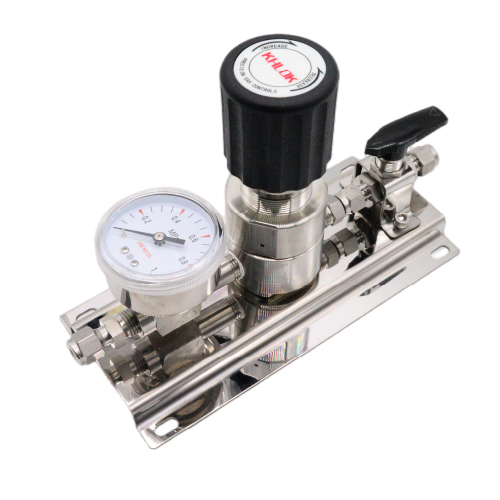
Gas valves require periodic inspection to detect signs of wear, such as rust or cracks in the housing. Replace seals and gaskets every few years to prevent leaks. Monitor pressure levels using a manometer to ensure optimal operation. Keeping spare parts on hand simplifies repairs and minimizes downtime during emergencies or routine servicing.
H2: Making Informed Decisions
Investing in high-quality gas valves with reliable certifications ensures safer home environments. Compare models based on user reviews and technical specifications rather than marketing claims. For those unsure about DIY installations, seeking expert advice can save time and prevent costly mistakes. Prioritize valves that balance durability with cost-effectiveness for sustainable home use.
Contact a licensed plumber today to assess your gas system’s needs or schedule a professional installation. Ensure your home’s safety by selecting the right gas valves tailored to your specific requirements.