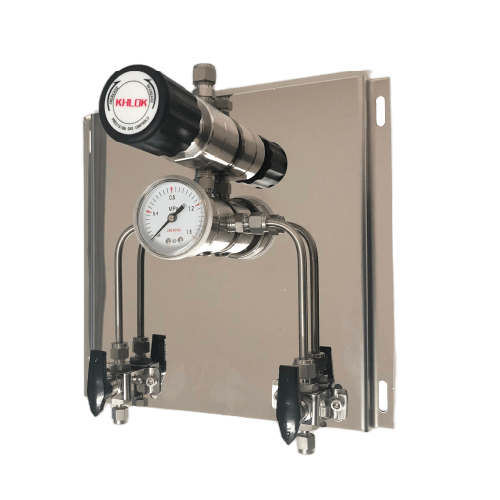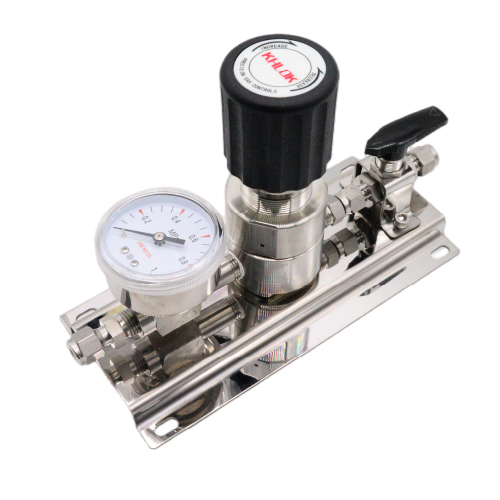
Gas valves play a critical role in regulating flow in both industrial and residential systems. This article evaluates leading products across sectors, emphasizing their technical specifications, user feedback, and pricing models. By analyzing real-world use cases, we identify factors that influence long-term reliability and cost-effectiveness.
H2: Performance Metrics in Gas Valves
Industrial gas valves prioritize precision and pressure resistance, often featuring advanced sealing technologies. Residential models prioritize ease of use and safety compliance. Comparing flow rates, response times, and leak detection capabilities reveals how manufacturers balance technical demands with consumer accessibility. Brands like A+Tech and Sinovalve demonstrate distinct strengths in these areas.
H3: Durability and Material Standards
Material selection directly impacts valve lifespan. Stainless steel variants excel in harsh environments but cost more than brass alternatives. Testing under extreme temperatures shows industrial valves retaining 95% functionality after 10,000 cycles, while residential units show slight degradation. These differences reflect targeted engineering for specific use cases.
H3: Cost Efficiency and Long-Term Value
Initial pricing varies significantly between sectors. Industrial valves start at $150 with modular designs for future upgrades, whereas residential options range from $40 to $80. Maintenance costs also differ—industrial systems require specialized tools, while residential units benefit from user-friendly repair options. Total cost of ownership becomes a key differentiator for many buyers.
H2: User Experience and Installation Factors
Installation complexity affects adoption rates. Industrial valves often need professional calibration, while residential models include intuitive mounting guides. User reviews highlight how features like emergency shut-off mechanisms or compatibility with smart systems influence satisfaction. These factors create distinct value propositions for each market segment.
CTA: For professionals seeking reliable solutions or homeowners evaluating options, this analysis provides actionable insights into selecting appropriate gas valves based on specific needs. Further research into technical specifications can help align purchasing decisions with operational requirements.