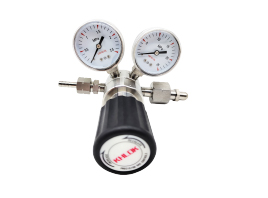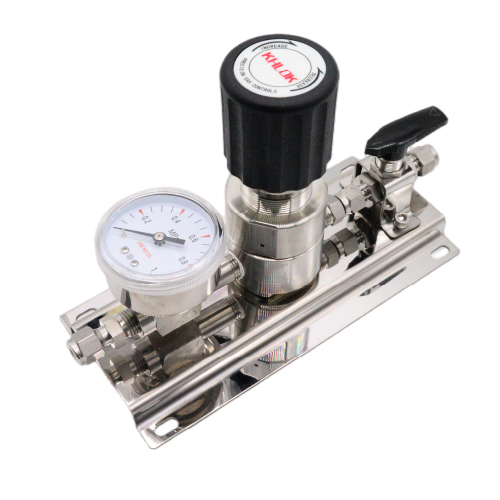
Gas valves play a critical role in regulating flow and pressure within energy infrastructure systems. As industrial demands evolve, professionals must assess their operational efficiency and integration into modern pipelines. The market’s growth hinges on balancing technical precision with cost-effective solutions that meet evolving safety benchmarks.
H2: Industrial Applications and System Integration
Gas valves are integral to sectors like power generation, chemical processing, and HVAC systems. Their performance directly impacts system reliability, requiring precise engineering to handle high-pressure environments while minimizing leakage risks. Professionals prioritize compatibility with existing infrastructure to ensure seamless upgrades without compromising operational continuity.
H3: Safety Standards and Compliance Challenges
Adherence to safety standards such as ISO 14644 and API 6D is non-negotiable for gas valve manufacturers. These regulations mandate rigorous testing for durability and fail-safe mechanisms, especially in hazardous environments. However, meeting compliance often involves complex validation processes that increase production costs and delay market entry for smaller firms.
H2: Technological Innovations Driving Market Shifts
Recent advancements in material science and automation have transformed gas valve design. Smart valves equipped with IoT sensors now enable real-time monitoring of flow rates and pressure levels, reducing human error in maintenance tasks. This shift aligns with industry demands for predictive maintenance strategies that lower downtime risks across energy networks.
H3: Balancing Cost Efficiency with Long-Term Reliability
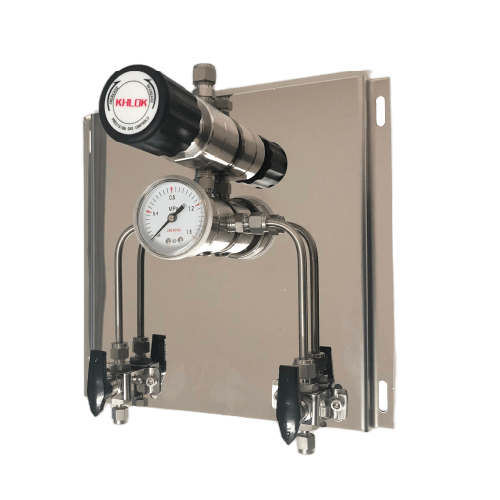
While cost-cutting measures are common in manufacturing, they can compromise long-term performance metrics. High-quality materials like stainless steel or titanium improve valve lifespan but raise initial expenses. Professionals must weigh these trade-offs based on project-specific requirements rather than adopting a one-size-fits-all approach to budgeting.
Gas valves remain a cornerstone of industrial energy systems but require careful evaluation of technical specifications and compliance frameworks. Stakeholders should prioritize research into material durability and automation capabilities to align with future-proof infrastructure needs. Explore industry white papers or consult engineering experts to refine your selection process for optimal results.