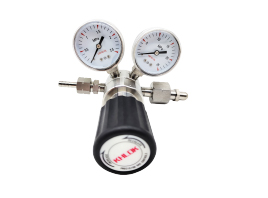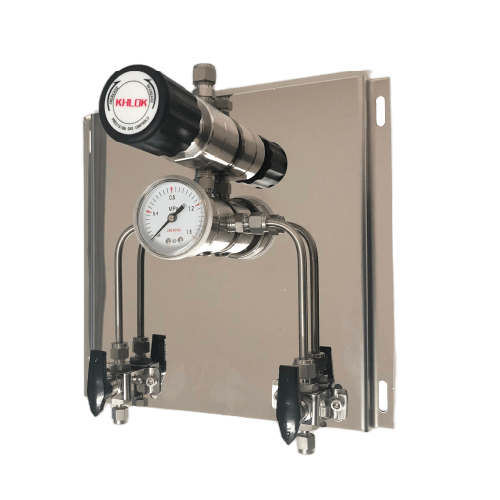
Gas valves remain critical components in energy distribution and industrial automation, shaping operational efficiency and safety standards. As the valve industry adapts to evolving demands, understanding their technical specifications and integration capabilities becomes essential for stakeholders. This analysis focuses on gas valves’ role in infrastructure modernization and their alignment with global regulation frameworks.
H2: The Role of Gas Valves in Energy Infrastructure
Gas valves are pivotal in ensuring reliable flow control across pipelines, power plants, and HVAC systems. Their design directly impacts system performance, with factors like pressure ratings and sealing mechanisms determining longevity. In 2026, the shift toward renewable energy sources has intensified the need for valves that support variable flow rates and reduce leakage.
H3: Material Innovation and Performance Optimization
Recent advancements in material science have improved gas valve durability under extreme conditions. Stainless steel alloys and advanced polymers now address corrosion risks in chemical processing environments. Professionals must evaluate how these materials balance cost-effectiveness with compliance requirements for high-pressure applications.
H2: Market Dynamics and Supply Chain Resilience
The valve industry faces supply chain disruptions due to geopolitical factors and raw material scarcity. Gas valves, part相关科室larly those used in natural gas networks, require consistent quality assurance to prevent failures. Analysts note a growing emphasis on localized manufacturing to mitigate risks while maintaining adherence to international standards like ISO 5437.
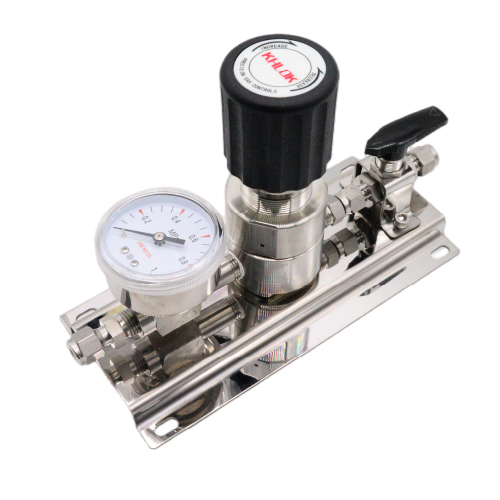
H3: Regulatory Compliance as a Competitive Advantage
Regulation standards for gas valves have become more stringent, focusing on safety protocols and environmental impact. Certifications such as API 6D and EN 1434 are now non-negotiable for market access. Companies prioritizing compliance gain trust from clients seeking reliable solutions for critical infrastructure projects.
H2: Future-Proofing Valve Systems with Smart Technologies
Integration of IoT-enabled sensors into gas valves allows real-time monitoring of flow dynamics and potential malfunctions. This trend is reshaping maintenance practices and reducing downtime. However, adopting smart technologies requires careful assessment of compatibility with existing systems and data security measures.
CTA: For engineers and procurement specialists seeking expert insights on gas valve selection or compliance strategies, consult industry reports or reach out to technical advisors to align with current market needs.