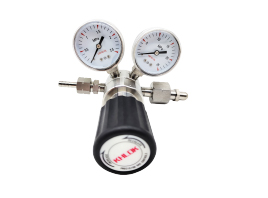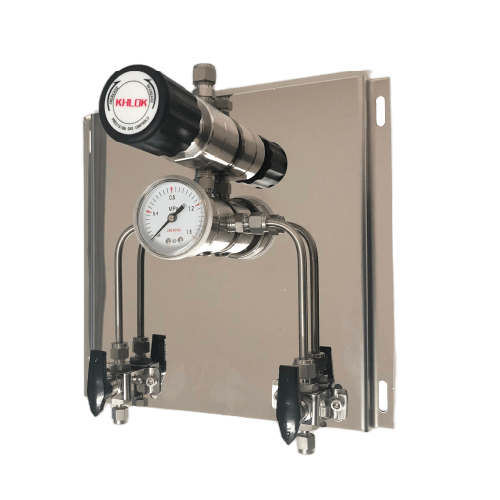
Gas valves are essential components in systems where precise control of gas flow is required. Their performance directly impacts operational efficiency and safety across industries such as manufacturing and energy distribution. Choosing the right valve involves understanding its role in pressure regulation and system compatibility while prioritizing long-term reliability over short-term savings.
H2: Selecting Reliable Gas Valves for Diverse Environments
Industrial applications demand gas valves tailored to specific conditions. Factors like temperature resistance, corrosion protection, and flow capacity must align with system requirements. For example, stainless steel valves excel in harsh environments due to their durability against chemicals and moisture. Brass valves offer cost-effective solutions for low-corrosion settings but may degrade under extreme conditions. Evaluating these factors ensures optimal performance without compromising safety or budget constraints.
H3: Material Choices Based on Operational Demands
The material of a gas valve determines its suitability for different tasks. Stainless steel is ideal for high-pressure or chemical-exposed systems because of its strength and resistance to wear. However, its higher cost may not be justified for less demanding applications. Brass valves provide a balance between affordability and reliability but require regular inspection in corrosive environments to prevent failure risks. Selecting materials that match environmental stressors prevents costly downtime and maintenance issues down the line.
H2: Installation Best Practices for Long-Term Efficiency
Proper installation minimizes leaks and operational risks associated with gas valves. Ensuring alignment with piping systems reduces stress on valve components during use. Additionally, following manufacturer guidelines for torque specifications avoids over-tightening or under-tightening connections that could lead to malfunctions over time. Regular maintenance checks after installation help identify early signs of wear or contamination that might affect performance unnoticed otherwise.
H2: Adhering to Safety Standards for Compliance
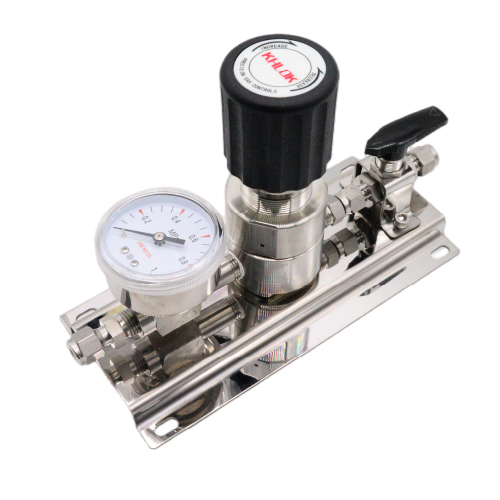
Safety standards such as ISO 5437 or ASME B16.34 govern gas valve design and testing to prevent accidents during operation. Compliance ensures these components meet industry benchmarks for leakage rates and pressure handling capabilities under normal or emergency conditions. Routine pressure testing during installation confirms adherence to these standards while reducing liability risks tied to improper usage or degradation over time.
H2: Cost-Effective Strategies Without Compromise
Balancing upfront costs with long-term value is key when investing in gas valves tailored to industrial needs rather than generic options designed for general use only consider price tags when evaluating options instead prioritize features that align with functional demands this approach reduces replacement frequency due better performance under real-world conditions thereby cutting expenses over time without sacrificing critical operational parameters such as safety efficiency accuracy flow control precision required maintaining high standards across diverse applications requires informed decisions based on practical experience rather than marketing claims alone