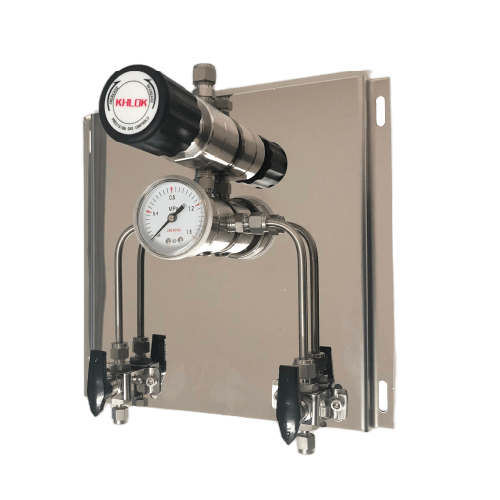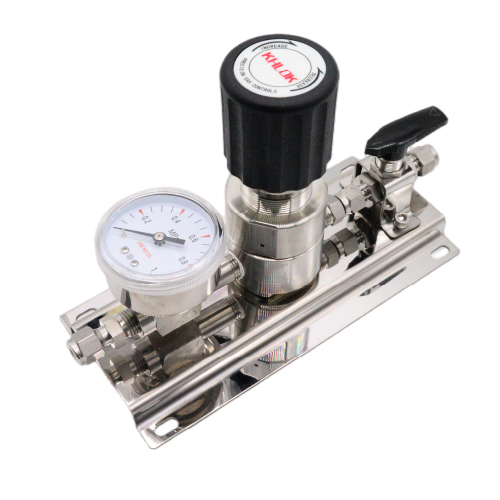
Gas valves are critical components in both industrial and residential settings, yet their design and purpose differ significantly. Industrial gas valves prioritize high-pressure resistance and precision, while residential models emphasize ease of use and safety. This comparison explores how these variations impact performance and cost over time.
H2: Industrial Gas Valves – Focus on Reliability and Efficiency
Industrial gas valves are engineered for heavy-duty applications, such as manufacturing plants and power stations, where consistent flow control is essential. These valves often feature stainless steel or bronze construction to withstand harsh environments. Their ability to handle extreme temperatures and pressures makes them suitable for large-scale systems. However, their complexity can lead to higher maintenance costs compared to simpler residential alternatives.
H3: Residential Gas Valves – Simplicity Meets Safety Standards
Residential gas valves are designed for everyday use in homes, prioritizing user-friendly features like manual adjustment knobs and compact sizes. Brands often incorporate safety mechanisms, such as automatic shut-off systems, to prevent leaks. While these models are cost-effective for short-term needs, they may lack the durability required for prolonged industrial use.
H2: Material Choices Define Longevity and Performance
The material composition of gas valves greatly affects their lifespan and efficiency. Stainless steel valves resist corrosion but are pricier, whereas copper alloys offer affordability without compromising conductivity. Plastic valves are lightweight but less suitable for high-temperature environments. Evaluating material options helps users align their choices with operational demands.
H3: Design Variations Across Applications
Industrial valves frequently employ butterfly or globe designs for precise flow regulation, while residential systems rely on ball or gate valves for straightforward operation. The choice between manual and automated controls also varies based on the setting. Industrial setups may benefit from electric actuators, while homeowners prefer manual options for simplicity.
H2: Cost-Benefit Analysis for Different Scenarios
Pricing disparities between industrial and residential gas valves reflect their specialized functions. Industrial models often justify higher costs through extended warranties and built-in safety protocols. Residential users should weigh upfront expenses against long-term reliability. Investing in a high-quality valve reduces replacement frequency and potential hazards.
CTA: When selecting gas valves, prioritize your specific requirements over general assumptions. Review technical specs and user reviews to ensure compatibility with your system’s needs. Consult a professional if unsure about the optimal choice for your application.