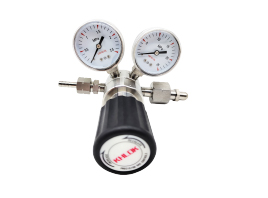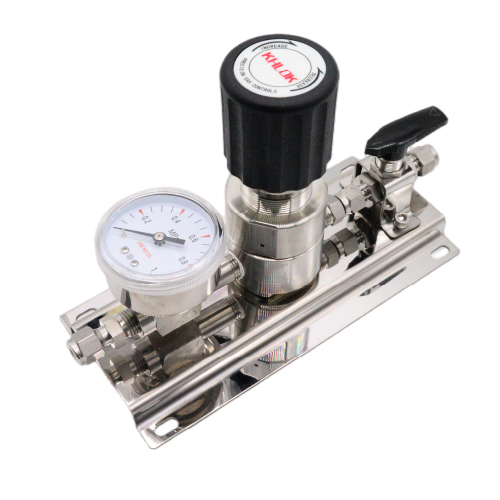
Gas valves play a critical role in regulating gas flow across diverse applications. Their design impacts system efficiency, safety, and cost-effectiveness. Selecting the right valve requires evaluating factors like pressure rating, material compatibility, and flow requirements.
H2: Core Functions of Gas Valves
Gas valves control the release, shut-off, and modulation of gases in pipelines. They ensure precise flow management, prevent leaks, and maintain operational stability. In residential settings, they regulate heating systems and appliances, while industrial applications rely on them for process automation and safety protocols.
H3: Material and Pressure Considerations
Choosing gas valves involves assessing material durability against environmental conditions. Stainless steel or brass valves suit high-pressure systems, whereas plastic alternatives are cost-effective for low-pressure uses. Pressure ratings must align with system demands to avoid failures or inefficiencies.
H2: Common Challenges in Valve Operation
Gas valves face issues like corrosion, wear, and improper sealing. These problems can lead to energy waste or hazardous leaks. Regular inspections for damage or aging components are vital. Proper installation techniques also reduce the risk of malfunctions during peak usage periods.
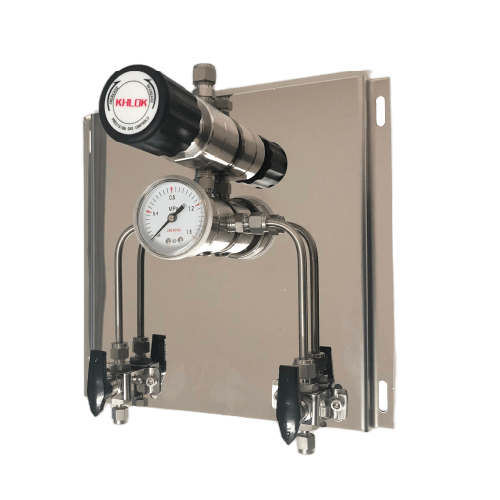
H3: Maintenance Strategies for Longevity
Routine maintenance extends the lifespan of gas valves. Cleaning internal parts with recommended solutions prevents blockages. Lubrication of moving mechanisms ensures smooth operation, while checking gaskets and seals minimizes leakage risks. Documenting maintenance schedules helps predict replacement needs.
H2: Practical Tips for Optimal Performance
Prioritize valves with adjustable settings for flexible control. Look for models with fail-safe mechanisms to handle emergencies. In residential use, opt for user-friendly designs to simplify daily operations. For industrial settings, prioritize valves with modular components for easy repairs.
CTA: Assess your system requirements and consult technical guidelines to select the most suitable gas valves. Regular upkeep ensures reliable performance and reduces unexpected downtime. Start by comparing specifications or seeking expert advice tailored to your needs.