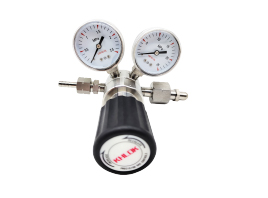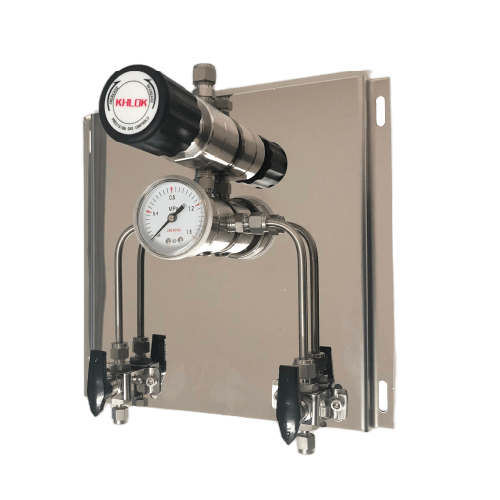
Gas valves are critical components in industrial operations, governing flow control and safety protocols across diverse systems. Their design, material composition, and compliance with industry standards directly influence efficiency, durability, and cost-effectiveness. Understanding these factors helps engineers and facility managers make informed decisions tailored to specific needs.
H2: The Importance of Industry Standards
Industry standards such as ISO 5208 and ASME B16.34 define specifications for gas valve performance, pressure ratings, and material quality. Adhering to these guidelines ensures compatibility with existing infrastructure and reduces the risk of system failures. Standardized testing procedures also validate safety certifications, which are vital for industries handling hazardous gases.
H3: How Maintenance Practices Impact Lifespan
Regular maintenance extends the operational life of gas valves while minimizing unexpected downtime. Key practices include inspecting for corrosion, lubricating moving parts, and replacing seals according to manufacturer schedules. Proactive upkeep prevents leaks, maintains precision, and aligns with environmental regulations, offering long-term savings for businesses.
H2: Innovations in Gas Valve Technology
Recent advancements focus on improving energy efficiency and reducing emissions. Smart gas valves equipped with IoT sensors enable real-time monitoring, optimizing flow rates and detecting anomalies early. These innovations align with global sustainability goals but require careful integration into legacy systems for maximum utility.
H3: Application-Specific Requirements
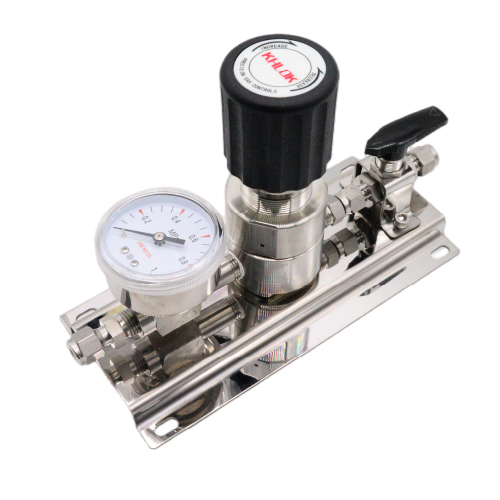
Different industries demand specialized gas valve solutions. Chemical plants prioritize corrosion-resistant materials, while energy sectors rely on high-pressure durability. Matching valve types—such as globe valves for throttling or ball valves for quick shut-off—to application needs ensures both safety and operational efficiency without unnecessary costs.
H2: Future Trends Shaping the Market
The gas valve industry is shifting toward modular designs and predictive maintenance tools. These trends address common pain points like retrofitting challenges and reactive repair costs. By adopting scalable solutions, businesses can future-proof their systems against evolving regulatory landscapes and technological demands.
CTA: For professionals seeking reliable gas valve solutions, prioritize compatibility with industry benchmarks and invest in maintenance strategies that align with your operational goals. Contact experts today to refine your system’s efficiency and safety protocols.