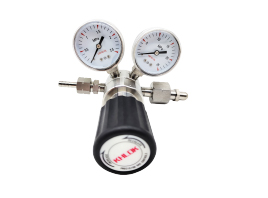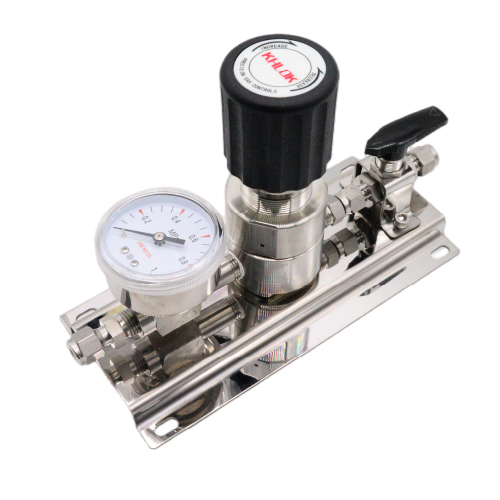
Gas valves remain critical components in industrial automation, balancing precision and safety across diverse sectors. As manufacturing demands evolve, the role of gas valves in process control systems has expanded, requiring deeper technical analysis to meet modern operational needs. Their integration into complex machinery highlights the necessity for specialized knowledge in selecting and maintaining these components.
The 2026 gas valve market reflects a shift toward high-performance materials like stainless steel and advanced polymers. These innovations enhance durability in harsh environments while reducing maintenance costs. However, engineers face challenges in ensuring compatibility with existing infrastructure, as older systems may lack support for new valve technologies.
Safety standards have become a focal point for gas valve design, driven by stricter regulations and increased risk awareness. Professional assessments now prioritize fail-safe mechanisms and leak detection capabilities, which are essential for preventing catastrophic failures in energy and chemical industries. Compliance with ISO and ASME guidelines remains non-negotiable for manufacturers aiming to meet global operational benchmarks.
Smart technologies are transforming gas valve functionality through IoT-enabled monitoring and predictive maintenance. These systems provide real-time data on pressure fluctuations and wear patterns, enabling proactive interventions. Yet, implementation requires careful consideration of cybersecurity risks and data interpretation protocols, which demand expertise beyond basic mechanical understanding.
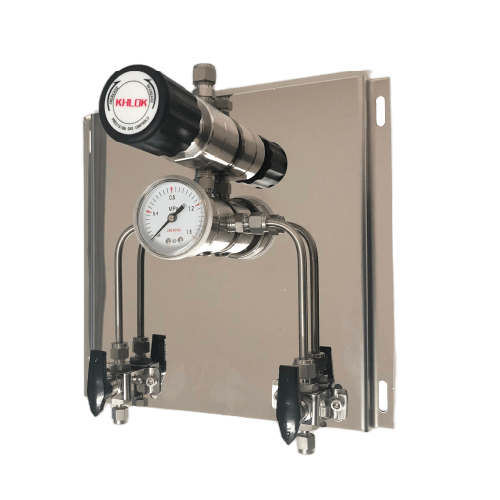
Case studies reveal that optimal gas valve performance hinges on precise installation techniques and regular calibration. Professionals must navigate trade-offs between cost efficiency and long-term reliability, often relying on simulation tools to model system behavior under varying conditions. This nuanced approach underscores the importance of specialized training in valve engineering.
For industry experts seeking to refine their technical strategies, investing in advanced gas valve solutions can yield measurable improvements in system efficiency and safety. Engaging with certified professionals ensures compliance with evolving standards while maximizing operational outcomes through informed decision-making.