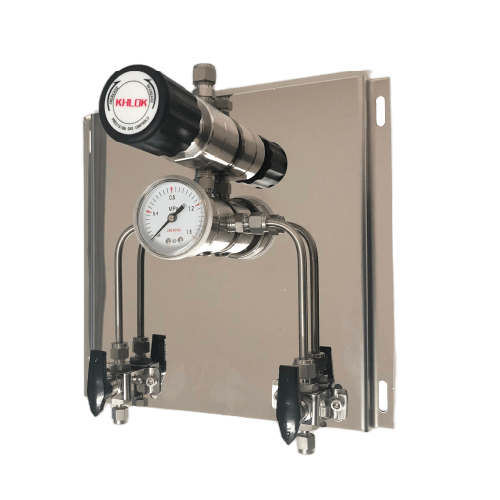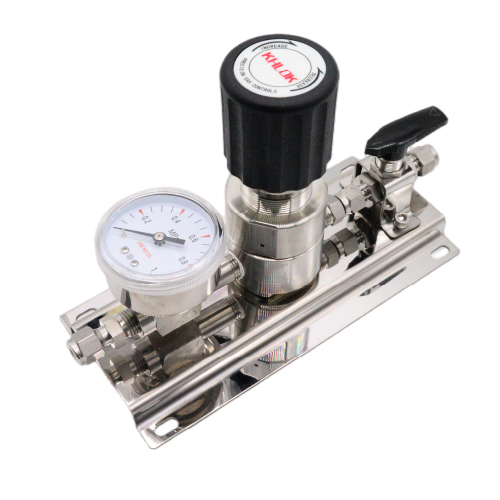
Gas valves play a critical role in regulating fuel flow for both industrial systems and home appliances. This comparison explores how different brands balance efficiency, reliability, and user experience to meet diverse requirements. By analyzing technical data and real-world applications, we identify key factors influencing valve selection.
H2: Industrial Gas Valves: Prioritizing Durability and Precision
H3: High-Temperature Resistance in Manufacturing Environments
Industrial gas valves face extreme conditions that demand robust materials and precise engineering. Brands like Parker Hannifin and KSB emphasize corrosion-resistant alloys and pressure-rating certifications to ensure long-term performance. These valves often integrate smart sensors for real-time monitoring, which reduces maintenance risks in high-stakes operations.
H3: Cost-Benefit Analysis for Large-Scale Operations
While industrial valves typically cost 30-50% more than residential counterparts, their longevity and minimal downtime justify the investment. A 2026 study found that valves with modular designs allow easier repairs, cutting replacement expenses by up to 40%. However, budget constraints may push some facilities toward cheaper alternatives with potential safety trade-offs.
H2: Residential Gas Valves: Balancing Affordability and Safety
H3: User-Friendly Features for Home Installations
Residential valves prioritize ease of installation and intuitive controls. Brands such as Watts and Moen incorporate tamper-proof mechanisms and low-maintenance seals to cater to non-professional users. Despite these features, improper installation can lead to leaks, underscoring the need for clear instructions and compatibility with existing piping systems.
H3: Energy Efficiency Gains in Modern Homes
Recent advancements focus on reducing gas waste through tighter sealing technologies. For example, some models now feature automatic shut-off functions that activate during pressure fluctuations. These innovations align with growing environmental concerns but may require additional upfront costs for homeowners.
H2: Key Differentiators Between Market Options
H3: Safety Standards Across Sectors
Industrial valves adhere to stringent ISO certifications, while residential options often comply with local building codes. The gap in safety protocols reflects differing risk profiles—industrial settings require fail-safes for hazardous environments, whereas homes rely on simpler but effective measures like pressure relief valves.
CTA: Understanding these distinctions helps users select the right valve for their needs. Explore detailed specifications or consult a professional to align your choice with operational demands and safety priorities.