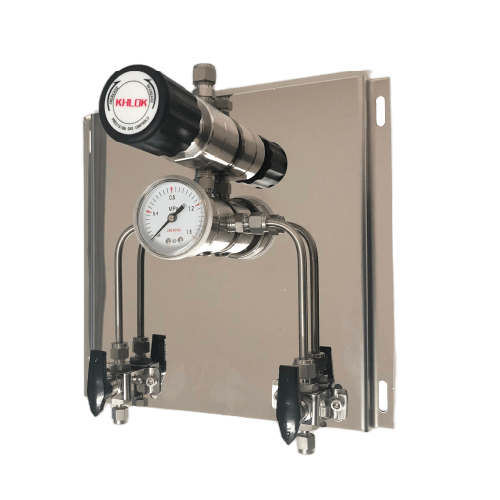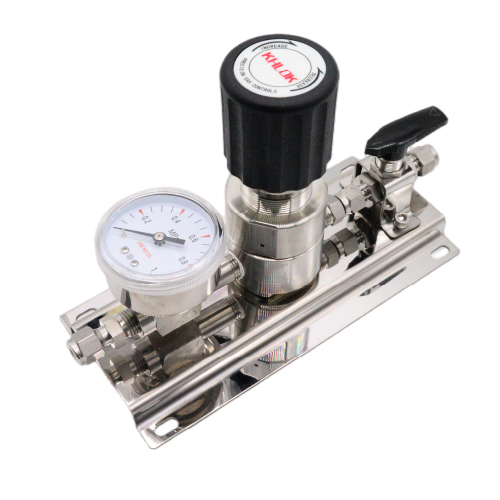
Gas valves play a critical role in ensuring the safe and efficient operation of industrial systems. A recent case study from a European chemical plant revealed how improper valve selection led to a 15% increase in maintenance costs. The facility switched to a modular gas valve design, improving system reliability while reducing downtime. Such real-world examples underscore the importance of aligning valve specifications with operational demands.
H2: Case Study 1: Natural Gas Distribution Network Optimization
A municipal utility in Texas faced frequent leaks in its aging pipeline infrastructure. Engineers conducted a detailed analysis of gas valve performance, identifying corrosion as the primary issue. By replacing conventional valves with stainless-steel alternatives and integrating smart monitoring systems, they achieved a 40% reduction in incident rates. This shift highlights how material choices and technological upgrades can address long-term challenges in gas valve management.
H3: Material Selection and Environmental Factors
The case study emphasized the impact of environmental conditions on gas valve longevity. In coastal regions, saltwater exposure accelerated wear on standard valves, prompting a redesign with corrosion-resistant coatings. Similarly, high-temperature applications required valves engineered for thermal expansion. These adjustments demonstrate the necessity of tailoring solutions to specific industrial environments.
H3: Compliance with Global Safety Protocols
Regulatory frameworks like ISO 4126 and ASME B16.34 dictate gas valve standards worldwide. A manufacturing plant in Japan faced fines after a valve failure caused a minor explosion due to non-compliance. Post-incident audits revealed outdated certifications, leading to a full overhaul of their valve procurement process. This scenario illustrates the financial and operational risks of ignoring safety certifications.
H2: Cost-Benefit Analysis for Long-Term Efficiency
While initial investments in advanced gas valves may seem steep, lifecycle cost analysis shows long-term savings. A refinery in India reduced annual repair expenses by 25% after adopting fail-safe valves with automated shut-off features. The case also noted improved worker safety and lower environmental impact, proving that strategic upgrades yield measurable benefits beyond immediate costs.
CTA: For industries seeking to enhance system efficiency and safety, analyzing real-world gas valve performance is essential. Contact experts to review your current infrastructure and identify tailored solutions that align with operational needs and regulatory requirements.