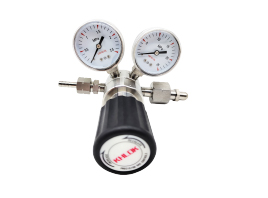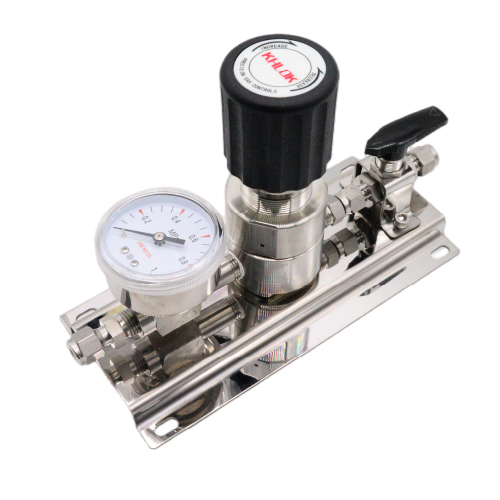
Gas valves remain critical components in energy distribution and industrial systems. Their design must balance durability with precision to meet modern operational demands. As industries prioritize automation and safety protocols, the role of gas valves in ensuring system integrity has become more complex.
The 2026 market emphasizes material innovation to address corrosion resistance and temperature fluctuations. Stainless steel alloys and composite materials are increasingly adopted to enhance longevity under extreme conditions. However, integration challenges persist, requiring specialized engineering solutions for seamless performance in high-pressure environments.
Compliance with safety standards is a non-negotiable factor. Regulatory frameworks mandate rigorous testing for leakage rates and emergency shut-off capabilities. Manufacturers now focus on modular designs that simplify maintenance while adhering to ISO and API guidelines. This shift reflects growing emphasis on risk mitigation across sectors.
Industrial applications drive demand for customized solutions. Power generation plants require valves with high flow capacity, while chemical facilities prioritize leak-proof seals. Emerging trends include smart valve systems equipped with IoT sensors for real-time monitoring, though adoption remains limited due to cost barriers.
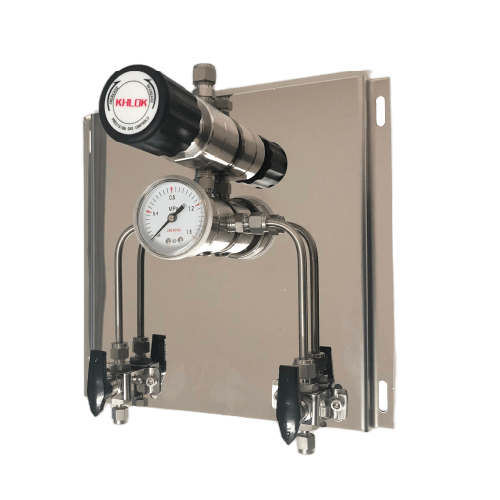
As technology evolves, gas valve selection demands technical expertise. Engineers must evaluate factors like flow dynamics, material compatibility, and system integration. Partnering with certified providers ensures adherence to performance benchmarks without compromising operational efficiency.
contact a gas valve specialist today to optimize your system’s reliability and compliance.