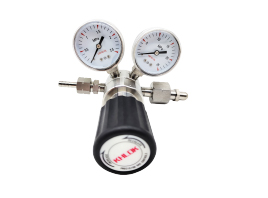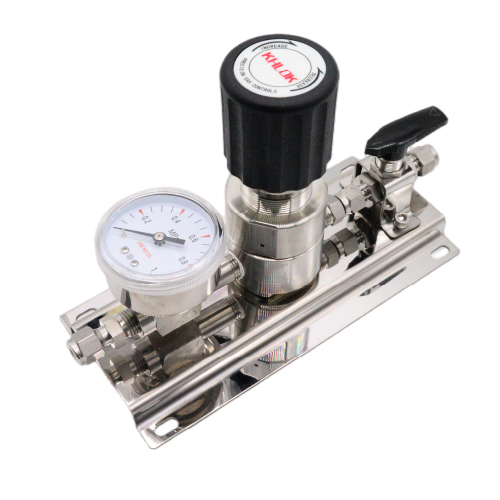
Gas valves remain a cornerstone of industrial automation, with their reliability directly impacting system efficiency and safety. In 2026, the demand for precision-engineered solutions has surged due to stricter safety regulations and the integration of smart technologies. Engineers must prioritize valve performance metrics such as flow control accuracy and leakage prevention to meet modern operational demands.
H2: The Role of Design Standards in Valve Performance
H3: ISO 14644 and ASME B16.34 Compliance
Design standards like ISO 14644 and ASME B16.34 define critical parameters for gas valve functionality. These guidelines ensure compatibility across global markets while addressing pressure ratings and sealing requirements. Adhering to these standards reduces failure risks in high-stakes environments like chemical processing or oil refining, where even minor inefficiencies can lead to costly downtime.
H2: Material Innovations Driving Efficiency
H3: Corrosion-Resistant Alloys and Composite Solutions
Recent material advancements have revolutionized gas valve durability. Corrosion-resistant alloys such as stainless steel and nickel-based compounds are now standard in harsh environments, while composite materials offer lightweight alternatives for portable systems. These innovations balance cost-effectiveness with long-term performance, part相关科室larly in industries exposed to extreme temperatures or abrasive gases.
H2: Application-Specific Challenges in Valve Selection
H3: Balancing Flow Dynamics and Safety Protocols
Selecting the right gas valve requires analyzing application-specific needs, including flow rates and pressure differentials. In natural gas distribution, for example, valves must withstand cyclical stress without compromising safety. Engineers often face trade-offs between energy efficiency and fail-safe mechanisms, necessitating tailored solutions for each use case.
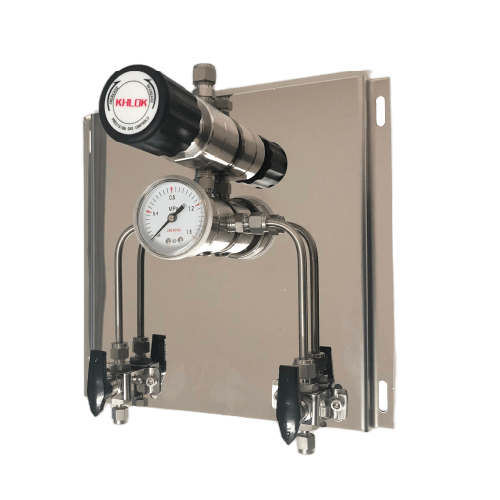
H2: The Impact of Smart Valve Integration
H3: IoT-Enabled Monitoring Systems
Smart valves equipped with IoT sensors provide real-time data on operational conditions, enabling predictive maintenance. This shift reduces manual inspections and minimizes human error in monitoring critical parameters like temperature or pressure fluctuations. Such systems are part相关科室larly transformative in renewable energy sectors reliant on precise gas flow control.
H2: Strategic Considerations for Industry Adoption
H3: Cost-Benefit Analysis of Retrofitting Legacy Systems
Transitioning to advanced gas valves involves evaluating retrofitting costs versus long-term savings. While initial investments may be high, modern valves often lower maintenance expenses and improve system longevity. Professionals should also consider vendor support and training programs to ensure seamless implementation across diverse industrial settings.
For engineers seeking to optimize their systems, investing in cutting-edge gas valve solutions is essential. Reach out to industry experts today to explore tailored options that align with your operational goals and safety requirements.