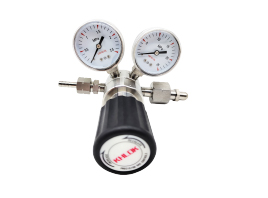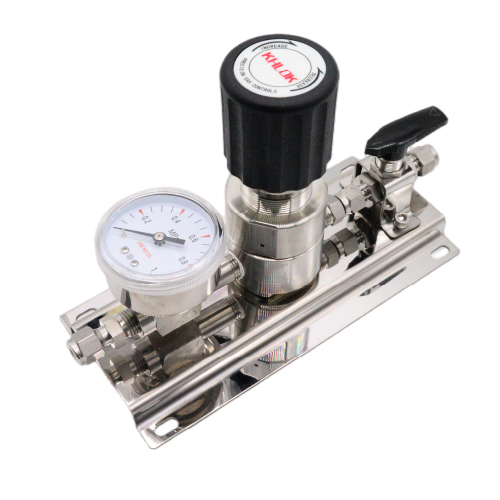
Gas valves play a pivotal role in regulating fluid flow in both industrial and domestic systems. Their design and functionality directly impact system efficiency, safety, and longevity. This analysis focuses on comparing gas valve types based on material composition, pressure ratings, and adaptability to specific environments.
H2: Industrial vs. Residential Gas Valves
Industrial gas valves are engineered for high-pressure environments and heavy-duty applications, such as manufacturing plants or energy facilities. These systems prioritize leak-proof seals and corrosion resistance to ensure operational safety. In contrast, residential gas valves emphasize cost-effectiveness and ease of installation while maintaining adequate flow control for home heating or cooking appliances. The distinction often leads to confusion among buyers seeking solutions for different needs.
H3: Material Impact on Reliability
Stainless steel and brass are common materials in industrial gas valves due to their durability in harsh conditions. However, these options may be overkill for household use where cost is a primary concern. Residential models frequently utilize plastic or bronze components, balancing affordability with basic performance requirements. Users must weigh long-term savings against initial investment when selecting materials tailored to their specific applications.
H3: Installation Complexity and Maintenance Needs
Installation processes vary significantly between valve types. Industrial systems require specialized tools and professional expertise to ensure compliance with safety standards. Residential installations are simpler but still demand attention to alignment and sealing. Regular maintenance is essential for all systems; however, industrial valves often necessitate more frequent inspections due to exposure to extreme conditions. Neglecting these factors can lead to inefficiencies or safety risks over time.
H3: Flow Control Precision in Different Scenarios
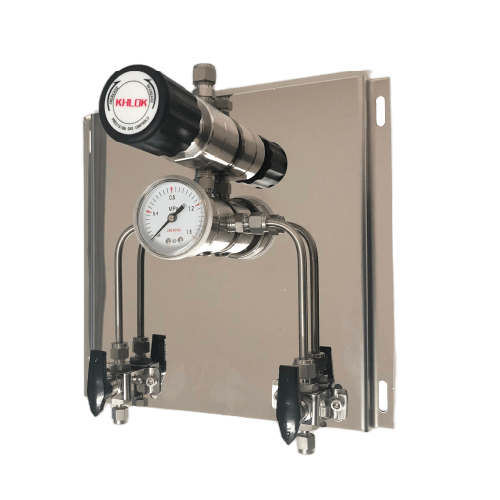
Flow control accuracy is a critical metric for gas valve evaluation. Industrial models typically offer adjustable flow rates with minimal tolerance errors, crucial for processes requiring consistent output. Residential valves prioritize user-friendly settings but may lack the precision needed for specialized tasks like medical gas delivery or laboratory equipment calibration. This discrepancy highlights the importance of matching valve specifications to application demands.
CTA: For professionals seeking reliable solutions or homeowners evaluating system upgrades, understanding these differences is key. Contact our team today to explore tailored options that align with your specific requirements and operational environment.