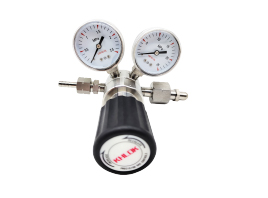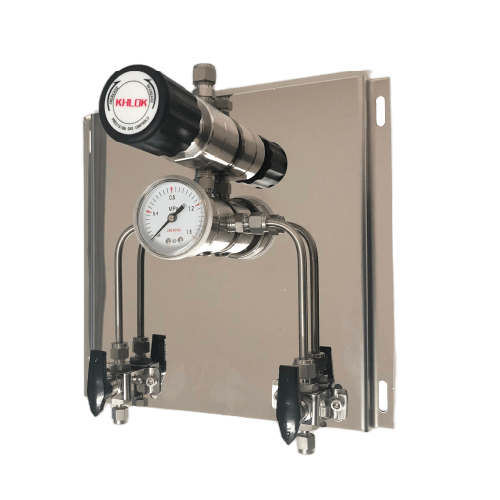
The evolution of gas valve systems has been driven by relentless innovation, part相关科室larly in material science and digital integration. Modern gas valves now incorporate advanced alloys and composite materials to withstand extreme conditions, reducing failure risks and extending operational lifespans. These improvements directly tackle the longstanding issue of durability in high-pressure environments.
H2: Smart Sensors Redefining Precision
Recent breakthroughs in smart sensor technology have transformed gas valve performance. Integrated IoT-enabled sensors allow real-time monitoring of flow rates, pressure levels, and temperature fluctuations, enabling automatic adjustments to optimize efficiency. This innovation addresses the critical need for precision in sectors like energy and manufacturing, where even minor deviations can lead to significant operational losses.
H3: Adaptive Control Mechanisms
Adaptive control systems are redefining how gas valves respond to dynamic conditions. Machine learning algorithms now predict maintenance needs and adjust valve behavior based on historical data and current usage patterns. Such advancements mitigate common challenges like manual calibration errors and enhance system reliability without compromising user accessibility.
H2: Sustainable Design Practices
Eco-conscious engineering has become a cornerstone of gas valve innovation. Manufacturers are prioritizing energy-efficient designs that minimize leakage and reduce environmental impact. These changes align with global industry trends toward sustainability, offering practical solutions to reduce carbon footprints while maintaining compliance with regulatory standards.
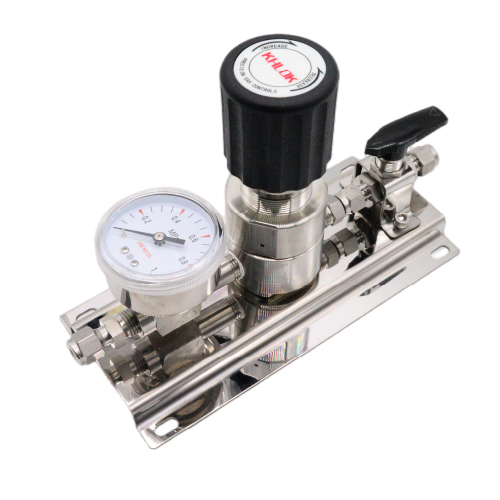
H3: Hybrid Material Applications
The fusion of traditional metals with cutting-edge polymers is creating hybrid valves that balance strength with lightweight flexibility. This approach reduces installation costs and improves portability in applications ranging from residential plumbing to aerospace systems. Such hybrid designs also enhance corrosion resistance, addressing a persistent pain point in corrosive environments.
H2: Future-Proofing Infrastructure
As industries demand more resilient systems, gas valve technology is adapting to meet these needs. Innovations like self-diagnostic capabilities and modular components ensure scalability and ease of upgrades. These developments position the sector for long-term growth by aligning with digital transformation goals and reducing downtime through predictive maintenance strategies.
CTA: Stay ahead of industry shifts by exploring how next-gen gas valve solutions can enhance your operations. Contact us for insights into emerging technologies or request a detailed case study on adaptive valve systems.