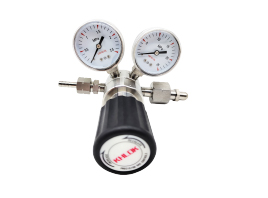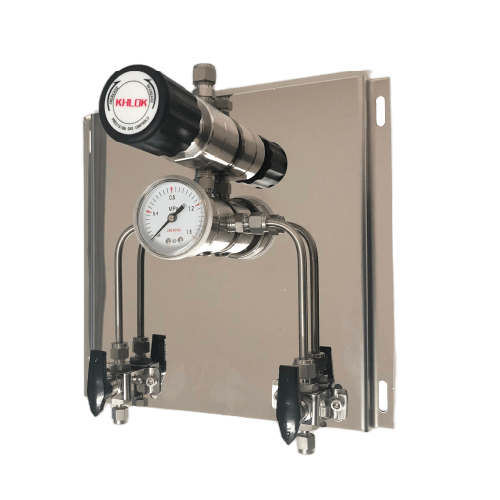
Gas valves are essential components in industrial systems, ensuring safe and efficient flow control. When selecting the right gas valve for specific applications, factors such as material quality, pressure ratings, and flow characteristics must be considered. A detailed comparison helps users understand the strengths and limitations of various options available in the market today.
H2: Types of Gas Valves and Their Use Cases
Different types of gas valves serve distinct purposes in industrial environments. Ball valves are commonly used for on/off control due to their reliability and low maintenance requirements. Gate valves are ideal for full flow regulation in pipelines, while globe valves offer precise throttling capabilities. Each type has its own advantages and disadvantages depending on the operational demands of the system.
H3: Material Considerations for Longevity
The material composition of a gas valve significantly affects its lifespan and performance. Stainless steel valves are preferred in corrosive environments, whereas brass or bronze options are suitable for low-pressure applications. The choice of material should align with the working conditions to ensure durability without compromising efficiency.
H2: Performance Metrics in Real-World Scenarios
Evaluating gas valve performance involves testing under real-world conditions to determine how well they function in various settings. Key metrics include response time, leakage rates, and resistance to wear. These factors are crucial for industries that rely on consistent and secure gas flow, such as manufacturing and energy sectors.
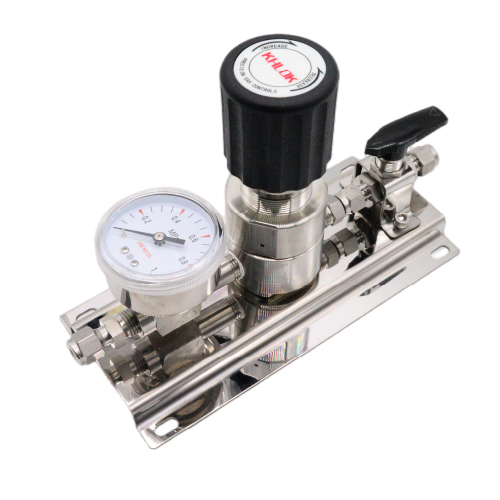
H3: User Feedback and Reliability Reports
User reviews and reliability data provide valuable insights into the practical performance of gas valves. Some models are praised for their ease of installation and cost-effectiveness, while others are highlighted for superior sealing technology. These reports help identify which options are better suited for long-term use in demanding applications.
In conclusion, understanding the differences between gas valve types and their real-world effectiveness is vital for making the right selection. By reviewing available options through a comparative lens, industrial professionals can choose solutions that meet their specific needs without unnecessary costs or risks. Consider evaluating multiple models based on your operational requirements to find the most suitable option for your system.