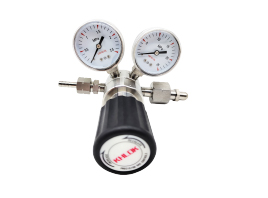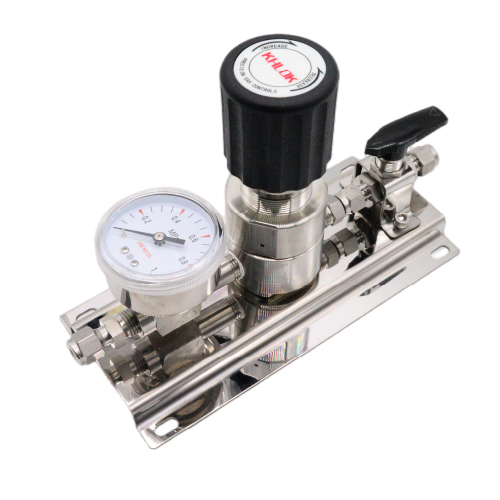
Gas valves play a fundamental role in controlling the flow of gases within various industrial systems. Their design and functionality directly impact safety, efficiency, and compliance with regulatory standards. In environments where gas handling is essential, such as power plants or chemical facilities, reliable valve operation prevents leaks, pressure imbalances, and potential hazards. A well-chosen gas valve can significantly reduce downtime and maintenance costs while ensuring optimal system performance.
Selecting the right gas valve depends on several practical factors including the type of gas being used, operating conditions, and required safety features. Different applications demand specialized valves with varying pressure ratings and sealing capabilities. For example, high-pressure systems may require gate valves or ball valves, while low-pressure environments might benefit from needle valves or check valves. Evaluating these needs helps avoid unnecessary expenses and ensures long-term operational stability.
Regular maintenance is crucial for preserving the integrity of gas valves over time. Wear and tear can lead to malfunctions that compromise safety protocols. A maintenance schedule that includes inspections, cleaning, and replacement of worn components can extend the lifespan of these critical parts. Additionally, using the correct tools and following manufacturer guidelines during servicing minimizes risks associated with improper handling or installation.
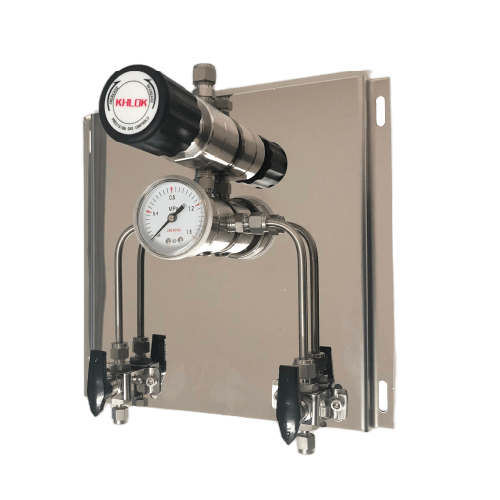
Valve failure often results from neglecting environmental factors like temperature fluctuations or corrosion exposure. Understanding how these variables affect performance allows operators to implement protective measures such as insulation or corrosion-resistant materials. Choosing valves that are compatible with the surrounding conditions enhances reliability and reduces the likelihood of unexpected failures during critical operations.
Investing in quality gas valves is not just about meeting technical requirements but also about safeguarding personnel and infrastructure. Practical considerations like material durability, ease of maintenance, and compatibility with existing systems should guide purchasing decisions. By prioritizing these aspects, industries can ensure safer operations and more consistent performance. Consider consulting with a professional to tailor your valve selection to specific needs and improve overall system efficiency.