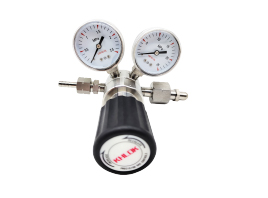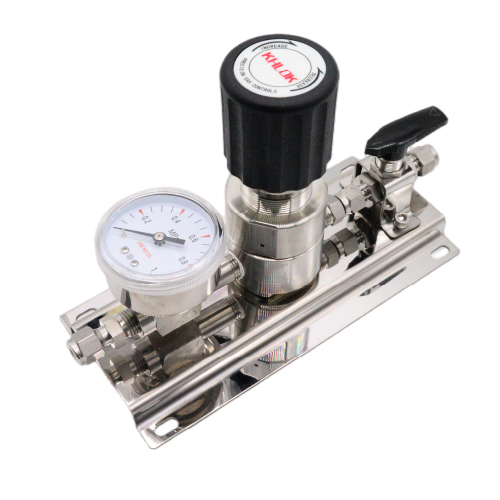
Gas valves are essential components in various industrial systems, serving as control mechanisms for the flow of gases. Their design and functionality directly impact the efficiency and safety of operations across sectors such as energy, manufacturing, and chemical processing. Understanding the technical specifications and performance metrics of gas valves is crucial for engineers and facility managers aiming to optimize system reliability.
H2: Core Functions of Gas Valves
Gas valves regulate pressure, direct flow, and ensure the safe shutdown of gas systems. These functions are vital in preventing leaks, explosions, and other hazardous incidents. Industrial professionals must prioritize valves that meet international safety standards while maintaining high levels of durability and precision. The selection of appropriate materials and sealing technologies plays a significant role in achieving these goals.
H3: Evaluating Valve Performance Metrics
Key performance indicators for gas valves include flow capacity, response time, and leakage rates. These metrics determine how effectively a valve can manage gas under different conditions. Engineers often conduct stress tests and simulations to assess valve behavior in real-world scenarios, ensuring that they align with operational requirements and environmental constraints. Regular maintenance schedules are also necessary to sustain optimal performance over time.
H2: Safety Considerations in Gas Valve Design
Safety is a primary concern in the development of gas valves, part相关科室larly in high-risk environments such as oil refineries or power plants. Modern designs incorporate advanced fail-safe mechanisms and pressure relief systems to mitigate potential failures. Compliance with regulations like ISO 5208 or API 6D is essential for ensuring that valves meet the required safety benchmarks without compromising operational efficiency.
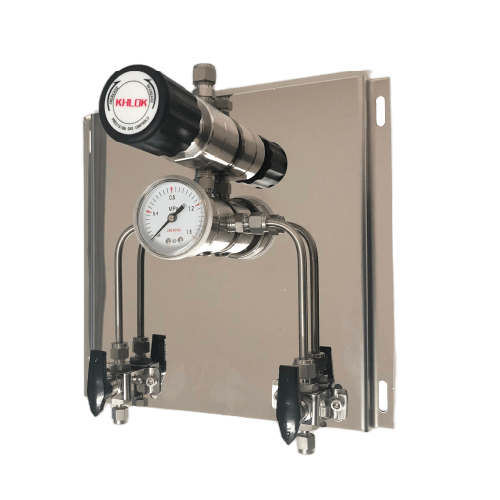
H3: Emerging Innovations in Gas Valve Technology
Recent advancements in material science and automation have led to the creation of smarter gas valves with integrated sensors and digital controls. These innovations enhance monitoring capabilities and reduce manual intervention, improving overall system reliability. Additionally, eco-friendly materials are being explored to reduce the environmental impact of gas valve manufacturing and usage.
H2: Practical Applications and Industry Trends
The integration of gas valves into smart grids and renewable energy systems highlights their evolving role in modern industry. Professionals must stay updated on technological trends to select valves that support long-term infrastructure goals. Whether for routine operations or specialized applications, choosing the right valve ensures both safety and performance without unnecessary costs or risks.
Call to action: For industry professionals looking to enhance their system's efficiency and safety, investing in high-quality gas valves with reliable performance metrics is a strategic decision that supports sustainable operations and compliance with evolving standards.