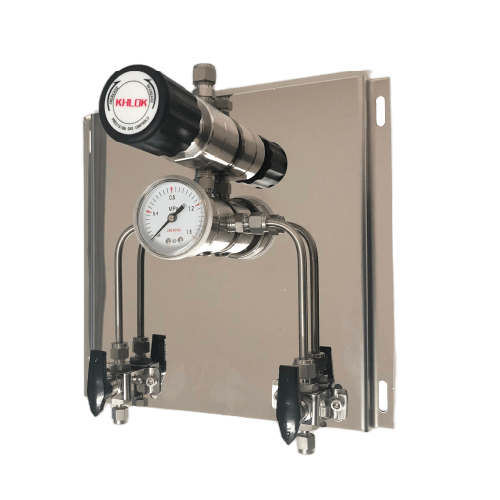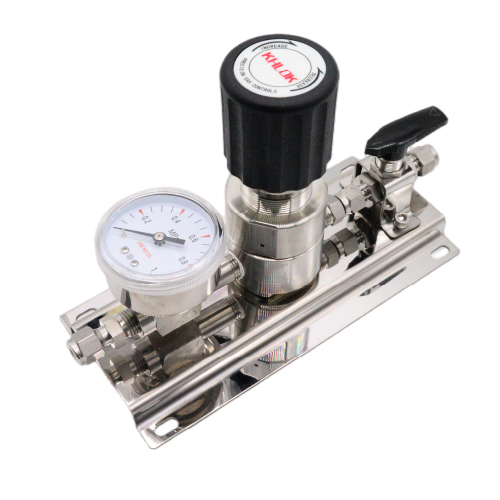
Gas valve technology has seen remarkable progress in recent years, driven by the need for enhanced safety, efficiency, and adaptability. As industries continue to prioritize sustainability and automation, the integration of smart features into gas valves has become a key area of development. These innovations not only improve functionality but also reduce human error and increase system reliability.
H2: Smart Integration for Enhanced Control
Modern gas valves are increasingly equipped with smart sensors and IoT connectivity. This allows real-time monitoring and remote adjustments, which are crucial for applications such as industrial automation and residential heating systems. The use of digital feedback loops ensures that pressure levels and flow rates are maintained with high precision, offering a more seamless user experience.
H3: Energy Efficiency Through Material Science
Technological innovation in gas valve design is also centered around energy efficiency. Advanced materials such as stainless steel alloys and composite polymers are being used to create valves that minimize heat loss and improve insulation properties. These changes contribute to lower energy consumption, making them ideal for eco-conscious applications across various sectors.
H2: Safety Enhancements via Advanced Diagnostics
Safety remains a top priority in gas valve development. New technologies focus on integrating diagnostic capabilities that detect leaks or malfunctions before they escalate into serious issues. These features are part相关科室larly important in high-risk environments like chemical plants or power stations, where even minor failures can have significant consequences.
H3: Customization for Diverse Applications
Innovation in gas valves extends to customization options tailored for specific industry needs. From compact designs suitable for residential use to robust systems for heavy industrial applications, manufacturers are adapting their products to meet a wide range of technical requirements. This flexibility ensures that modern valves can be seamlessly integrated into existing infrastructure without compromising performance.
Innovations in gas valve technology are not just about improving functionality—they represent a shift toward smarter, safer, and more sustainable solutions. As demand grows for reliable systems across multiple industries, ongoing research continues to refine these components for better efficiency and user satisfaction. To stay ahead in this evolving market, businesses should explore the latest developments in valve design and consider how they can integrate these technologies into their operations.