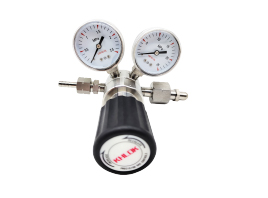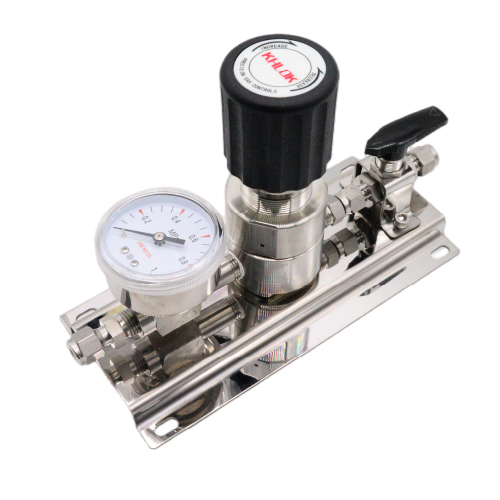
The gas valve industry is undergoing significant transformation driven by the need for efficiency, safety, and environmental responsibility. As energy demands fluctuate and regulations tighten, companies are investing in research to develop more advanced solutions that align with modern infrastructure needs. The integration of smart technology into gas valves is reshaping traditional systems, enabling real-time monitoring and automated control. This shift reflects a broader trend toward digitalization in industrial applications.
H2: Sustainability as a Core Driver
With the global push for greener technologies, sustainability has become a key factor in gas valve design and manufacturing. Many companies are now prioritizing materials that reduce carbon footprints and enhance energy efficiency. This trend is not only about compliance but also about meeting the growing consumer demand for eco-friendly products. The focus on reducing emissions and improving recyclability is setting new standards in the industry.
H3: Technological Integration and Smart Systems
The rise of smart systems is revolutionizing how gas valves function within larger industrial networks. Integration with IoT platforms allows for remote diagnostics and predictive maintenance, which reduces downtime and operational costs. These innovations are part相关科室larly beneficial in sectors like HVAC, automotive, and energy production where reliability is critical. The adoption of smart gas valves is expected to increase as industries seek more intelligent solutions.
H2: Global Market Shifts and Regional Demand
Market analysis reveals that regional demand patterns are influencing the direction of gas valve development. In Asia-Pacific, rapid urbanization and industrial growth are driving up the need for high-performance valves in construction and manufacturing sectors. Meanwhile, Europe continues to lead in adopting green technologies, prompting local manufacturers to focus on low-emission designs. These shifts highlight the importance of tailoring products to meet specific market requirements.
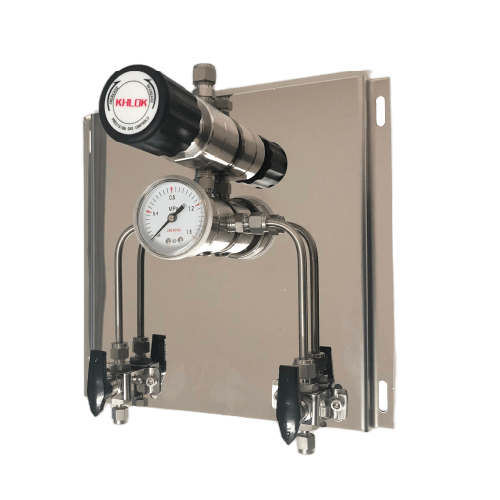
H3: Challenges in Meeting Evolving Standards
Despite progress, the industry faces challenges such as ensuring compatibility across diverse systems and maintaining cost-effectiveness without compromising quality. Manufacturers must navigate complex regulatory environments while keeping pace with technological innovation. The ability to balance these factors will determine long-term success in an increasingly competitive market.
Investing in future-ready gas valve solutions is essential for businesses looking to remain competitive. By staying informed about industry trends and innovation opportunities, companies can position themselves effectively in this dynamic market. Explore how your operations can benefit from these changes by reaching out for expert consultation today.