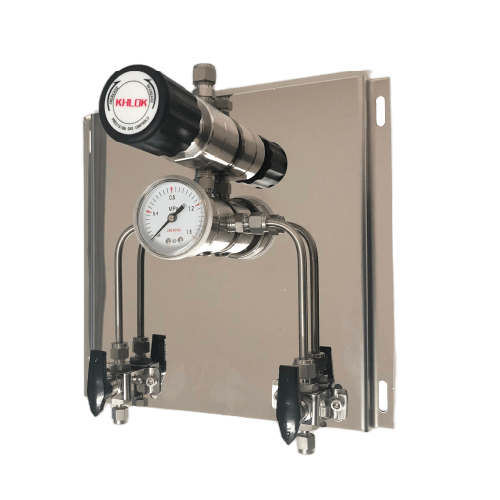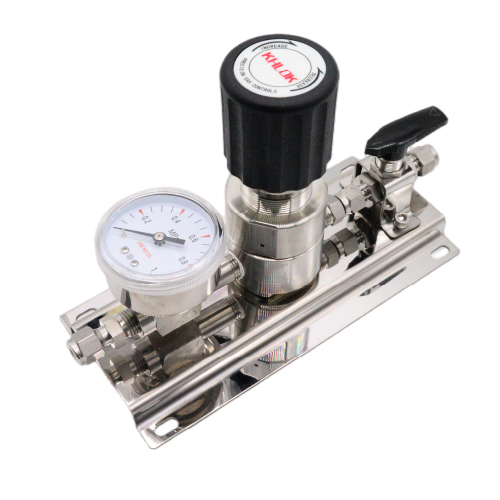
Gas valves are becoming more sophisticated as industries prioritize efficiency and safety. With the integration of smart technology, these components now offer real-time monitoring and remote control capabilities. This shift is reshaping traditional valve systems, allowing for greater precision and adaptability in diverse applications.
H2: The Rise of Smart Gas Valves
Smart gas valves are gaining traction due to their ability to enhance operational performance. These valves are equipped with sensors and connectivity features that enable data-driven decision-making. As a result, they are increasingly used in residential, commercial, and industrial settings where reliability is critical.
H3: Industrial Automation and Gas Valve Integration
Industrial automation continues to influence the gas valve market, pushing manufacturers to develop more compatible and intelligent solutions. Automated systems require valves that can respond quickly to changing conditions without manual intervention. This trend is part相关科室larly evident in sectors like energy, manufacturing, and transportation.
H2: Sustainability and Energy Efficiency
Sustainability is a key driver in the gas valve industry, with a focus on reducing energy waste and improving system efficiency. Modern valves are designed to minimize leaks and optimize gas flow, contributing to environmental protection efforts. Companies that align with green initiatives are seeing increased market acceptance.
H3: Future-Ready Solutions for a Growing Market
As demand for advanced gas valve systems increases, manufacturers must adapt to emerging technologies and customer expectations. The ability to integrate with IoT platforms and support variable pressure conditions is becoming essential for staying competitive in this dynamic industry.