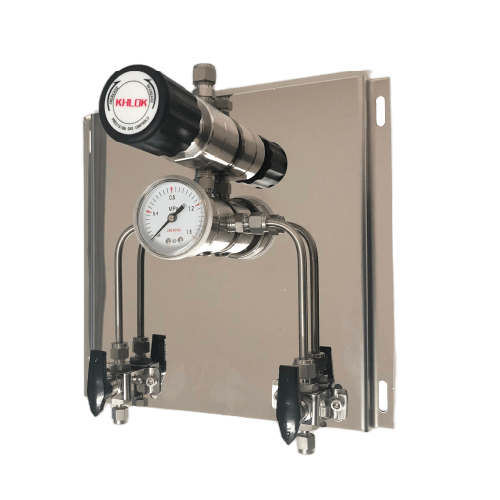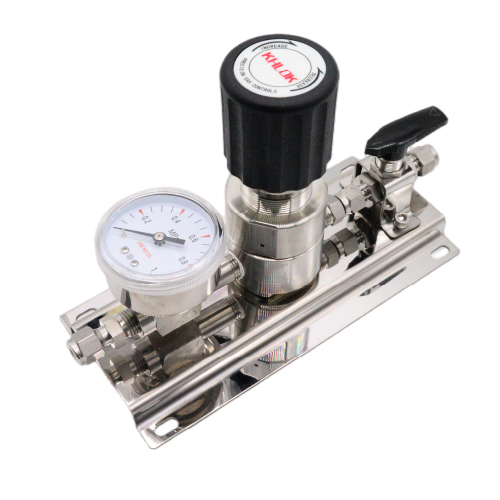
Gas valves are essential components in any home gas system, serving as the primary control mechanism for regulating the flow of fuel. Their role in preventing leaks and ensuring safe operation cannot be overstated. Understanding the different types of gas valves and their specific functions helps in making a practical choice that aligns with your system's requirements.
H2: The Role of Gas Valves in Home Safety
Gas valves function as barriers between the gas supply and the user’s appliances, playing a critical role in reducing the risk of accidents such as fires or explosions. Their design and material impact their durability and performance, especially under fluctuating pressure conditions. Proper selection ensures that your system operates efficiently while minimizing potential hazards.
H3: Types of Gas Valves and Their Applications
Common types include globe valves, ball valves, gate valves, and check valves. Globe valves are ideal for throttling gas flow due to their adjustable seats, while ball valves provide quick shut-off capabilities. Gate valves are used for full opening or closing, whereas check valves prevent backflow. Each type has distinct advantages depending on the intended use and installation environment.
H2: Installation and Maintenance Tips
Correct installation of gas valves is crucial for long-term reliability. It is recommended to hire a certified professional to ensure compliance with local regulations and safety standards. Regular maintenance, such as inspecting for corrosion or wear, can extend the lifespan of the valve and prevent unexpected failures.
H3: Common Mistakes to Avoid
One frequent error is using low-quality or incompatible valves that may not meet safety specifications. Another is neglecting to replace worn-out parts, which can lead to inefficiencies or even dangerous situations. It is also important to follow manufacturer guidelines during installation to avoid voiding warranties or creating installation risks.
content:
Choosing the right gas valve requires careful consideration of your system’s needs and safety standards. A practical approach involves assessing your usage patterns, consulting with experts, and prioritizing reliability over cost savings. By focusing on functionality and safety, you can ensure your home gas system remains efficient and secure for years to come. Invest in quality now to avoid future complications.