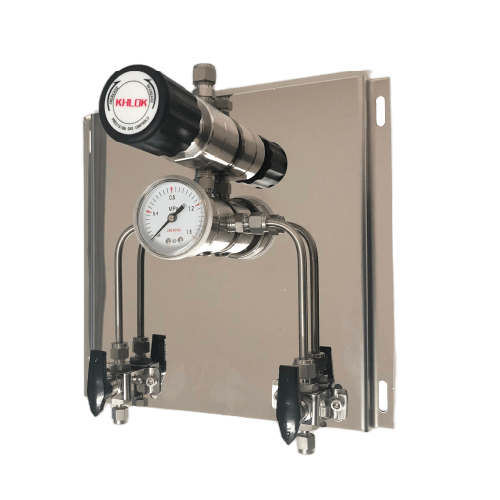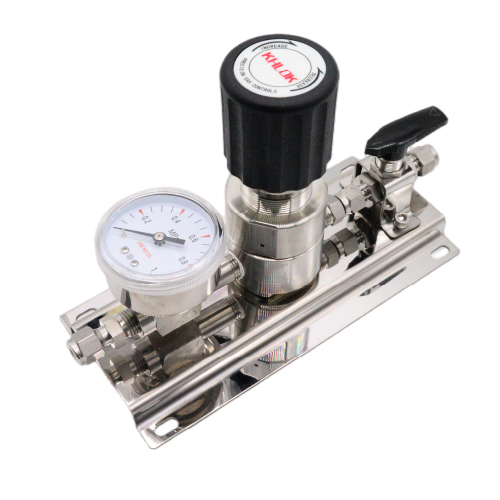
The integration of gas valves into modern smart home systems is becoming increasingly common as homeowners seek safer and more efficient energy solutions. Traditional gas valves, once simple mechanical components, now incorporate advanced sensors and control mechanisms to ensure precise regulation of gas flow. This shift reflects a broader trend in the industry where functionality and safety are prioritized over basic operation.
With the rise of industrial automation, gas valve technology is evolving to support complex systems that require real-time monitoring and adaptive control. Manufacturers are focusing on creating valves that can communicate with other devices in a network, enabling remote adjustments and predictive maintenance. This development is driven by the need for reliability and efficiency in both residential and commercial applications.
Smart home integration has also led to a greater emphasis on user experience and customization. Consumers now expect gas valves that can be controlled via mobile apps or voice assistants, offering convenience and enhanced safety features. The ability to monitor gas usage and detect leaks instantly has become a critical selling point for modern valve systems, aligning with consumer demands for connected living environments.
The market for gas valves is expanding as more industries adopt digital transformation strategies. From residential HVAC systems to industrial fuel distribution networks, the need for intelligent gas management is reshaping product design and installation practices. These changes are prompting companies to innovate with new materials, improved sealing technologies, and more durable components to meet evolving standards.
As industry trends continue to prioritize sustainability and connectivity, gas valve manufacturers must adapt to stay competitive. The focus is shifting towards energy-saving designs and seamless integration with smart ecosystems. For consumers looking to upgrade their systems, understanding these advancements can lead to better decision-making and long-term benefits. Consider exploring new options that align with your home or business needs.